

Are Cranesbill Geraniums Annuals or Perennials?
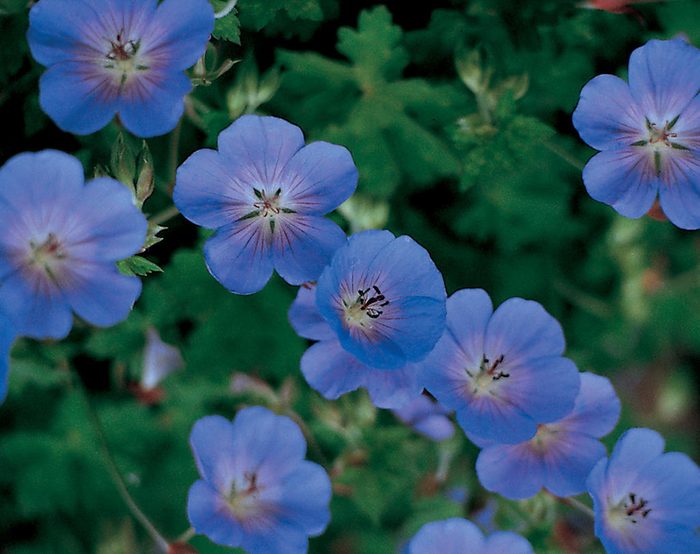
Don’t confuse the cranesbill geranium with annual Pelargonium geraniums that fill garden centers every spring. All 300 species of cranesbill geraniums are perennials, which means they’ll come back each year.
Learn more fascinating geranium plant facts.
How to Grow Cranesbill Geraniums
- Scientific name: Geranium spp.
- Common name: True geranium or cranesbill
- Hardiness zones: 4 to 10
- Light needs: Full sun to partial shade
- Soil: Well-draining
- Water needs: Drought tolerant once established
- Flower colors: White, blue, pink, purple
- Attracts: Bees and butterflies
Georgia Clay, plant selections manager for Monrovia, says, “Cranesbill is really hardy and a good choice for anyone across the United States, from coast to coast and everywhere in between.”
These plants are low-maintenance and pretty adaptable. “They do well in full sun or partial sun and tend to like to be fairly dry—just don’t let them completely dry out. For the best flowering and most vigorous growth, choose a partial shade or full sun site. If they are getting hit hard with hot sun, you will need to water more frequently,” Georgia says.
Problems with these perennials should be few. “Slugs and snails can eat spring shoots, if they are too wet you can get mildew, but they are pretty stress-free plants,” she says. Deer generally leave these plants alone.
When Do Cranesbill Geraniums Bloom?
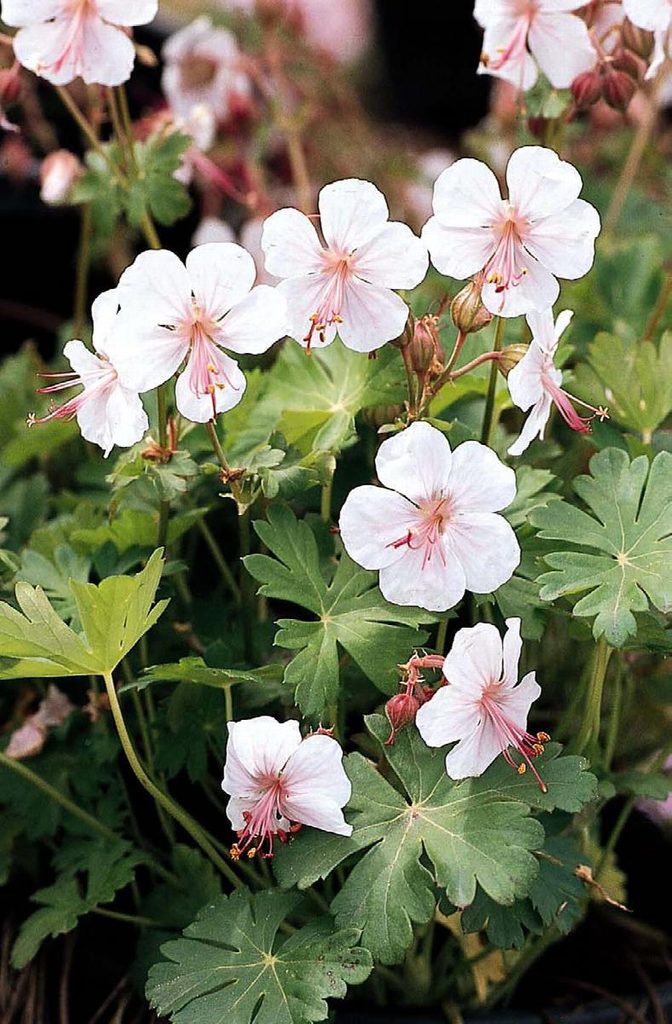
One benefit of growing cranesbill geraniums is their really long bloom cycle. Georgia has a trick to get the plants to rebloom after they start to slow down.
“I recommend shearing the plants back, and they will regrow within weeks. They will re-bloom and fill out again in the same summer,” she says.
When the plant begins to die back, cut them back in the fall after the growing season is done (between August and October). This will keep the plant dormant for the winter and help store its energy for the spring.
Does Cranesbill Spread?
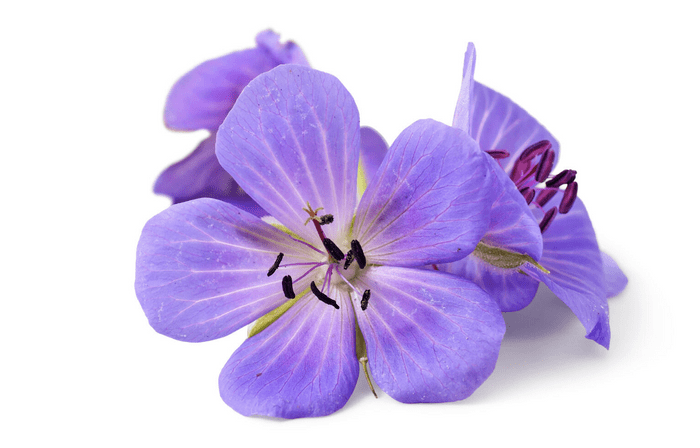
These plants can and do spread by seed, but not uncontrollably—it’s not known as a weedy plant. Some varieties like Rozanne are sterile.
Can You Grow Cranesbill in Containers?
“It would make a great container plant,” Georgia says, crediting their long bloom period, unfussy nature and great drought tolerance. Keep in mind that these plants do need to go through a dormancy period in winter; she recommends that you wrap up the pots or put them in your garage.
Cranesbill Varieties
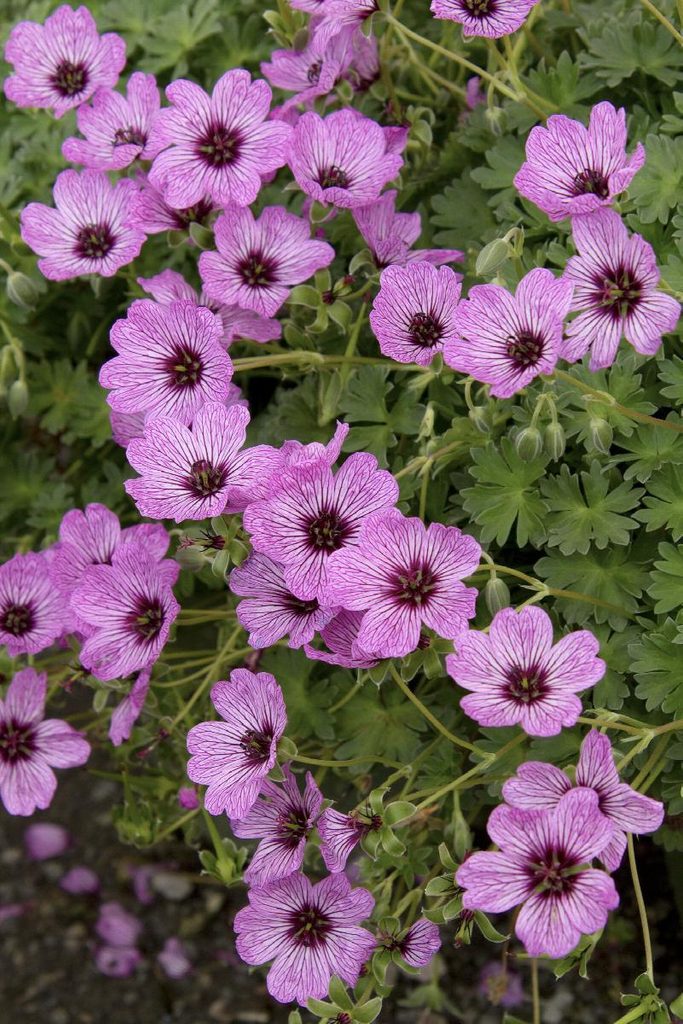
There is a big variety of hardy geraniums, so you can find a type that fits your landscape need. Ballerina grows 6 inches tall and spreads to 10 inches wide. Others like Rozanne or Biokovo are going to spread more, up to 2 to 3 feet wide.
A new variety, Storm Cloud, is more of a clumping variety, growing 1 1/2 feet tall and wide. “Storm Cloud has dark foliage that’s offset with semi-double blue flowers. Even when not blooming you get a really great show,” Georgia says.
Pink lovers should try Intense. “It’s one of my absolute favorites; it produces a ton of bright pink flowers throughout the season. The foliage goes red in the fall which is really fabulous, too,” she says.
Does Cranesbill Attract Pollinators
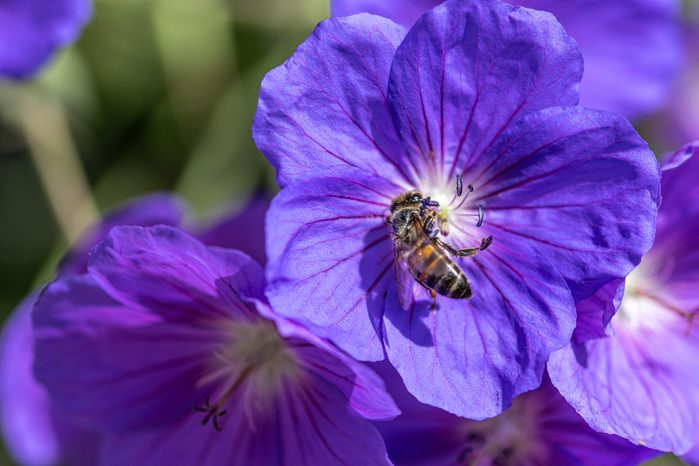
Georgia says based on the shape of flowers, she sees cranesbill attracting short-tongued insects, including native bees, such as mason bees and bumblebees, as well as butterflies.
About the Expert
Georgia Clay has worked for five years as the plant selections manager for Monrovia. She studied horticulture at Oregon State University.
Sources
Why Trust Us?
For nearly 30 years, Birds & Blooms, a Trusted Media Brand, has been inspiring readers to have a lifelong love of birding, gardening and nature. We are the #1 bird and garden magazine in North America and a trusted online resource for over 15 million outdoor enthusiasts annually. Our library of thousands of informative articles and how-tos has been written by trusted journalists and fact-checked by bird and garden experts for accuracy. In addition to our staff of experienced gardeners and bird-watchers, we hire individuals who have years of education and hands-on experience with birding, bird feeding, gardening, butterflies, bugs and more. Learn more about Birds & Blooms, our field editor program, and our submission guidelines.
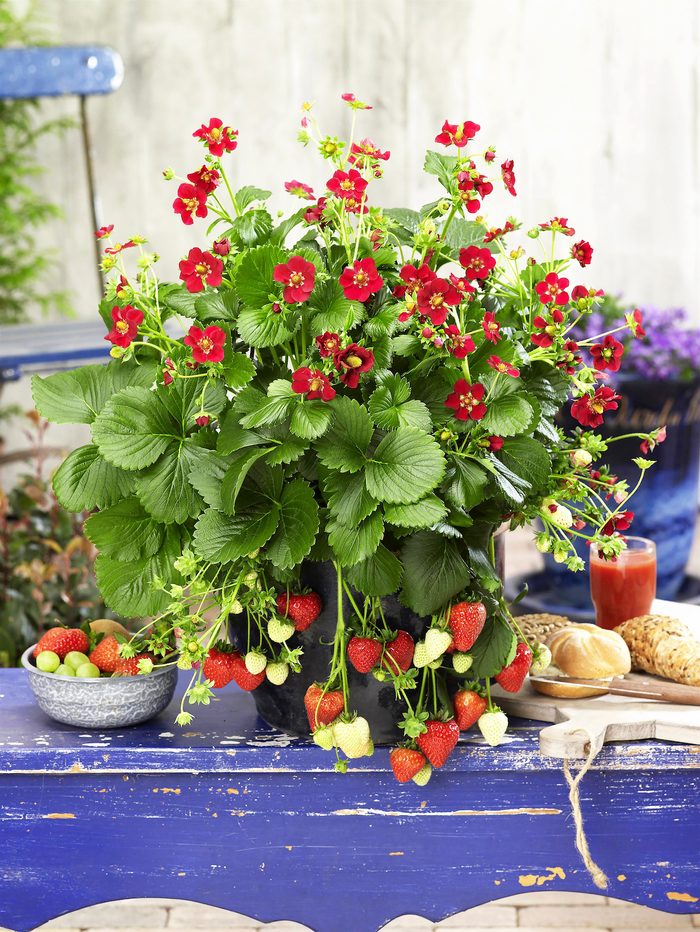
Sweet, juicy strawberries are a delightful summer treat—and are easy to grow in a home garden. These productive plants are perennial, returning year after year, and depending on the type, can provide months of mouthwatering berries. Planting a strawberry patch can save you lots of money too! Here’s how to grow strawberries in your backyard.
On This Page
June-bearing vs Everbearing Strawberries
There are three main types of strawberries: everbearing, June-bearing and day-neutral. Everbearing strawberry plants fruit in early summer and again in autumn. June-bearing plants produce a heavy crop of large, juicy berries from late spring through early summer. Day-neutral strawberries produce a modest but continual harvest from the late spring through early autumn.
To encourage vigorous plants, pinch all flowers that develop on June-bearing plants that first year. With ever-bearing and day-neutral varieties, pinch flowers until late June and then let subsequent blooms develop into berries.
Enjoy more fresh fruit by growing blueberries in your garden.
When to Plant Strawberries
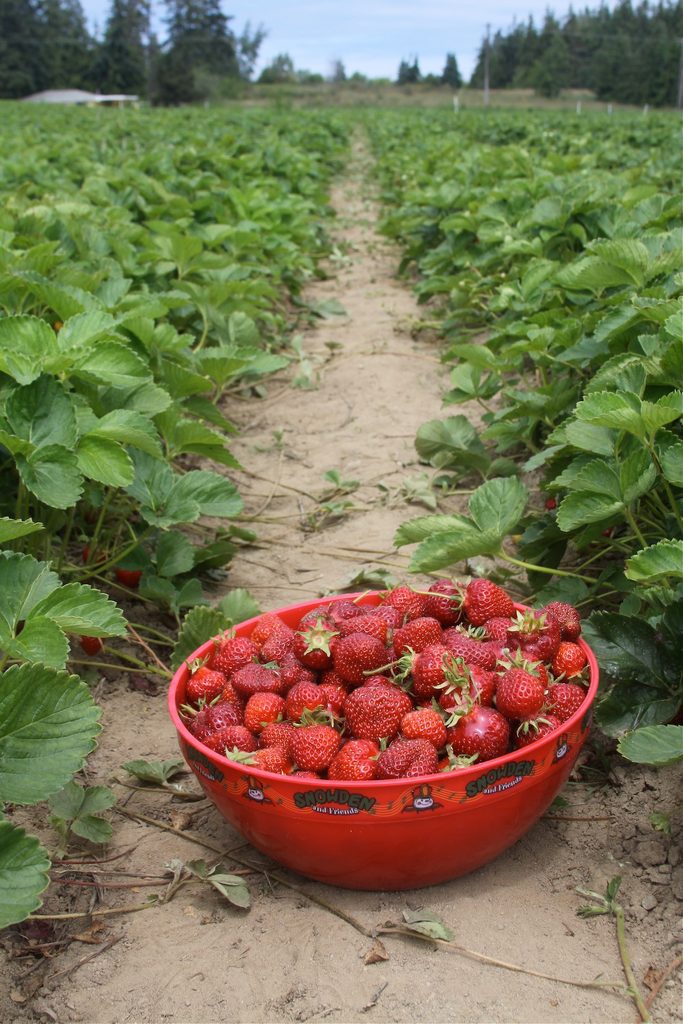
Strawberries are best planted in the spring or autumn and are available as bareroot or potted plants. Bareroot strawberries are sold without soil and can be purchased in bundles, usually of 10 to 25 plants. Choosing barerooted plants is a cost-effective way to plant a lot of strawberries at once.
Check out the top trees and shrubs with berries for birds.
Where and How to Plant Strawberries
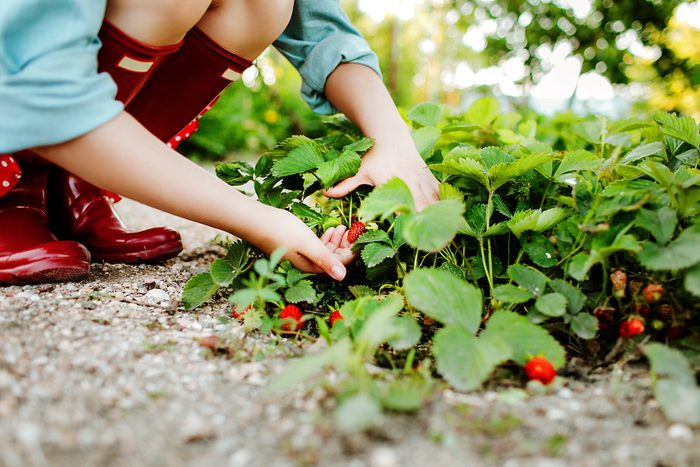
Space strawberry plants 1 foot apart, staggering the rows to maximize the growing area.
Strawberry plants need lots of light for vigorous growth and plenty of delicious berries. Find a site that offers at least eight hours of direct sun and that has fertile, well-draining soil.
Raised beds, which provide good drainage and allow you to control the soil mix, are ideal for strawberries. If making a new raised bed for strawberries, fill it with a blend of garden soil and compost at a ratio of 3 parts soil to 1 part compost. To amend an existing garden bed for strawberries, dig in 2 to 3 inches of compost or aged manure.
You need to know these fascinating facts about berries.
Watering Tips for Strawberries
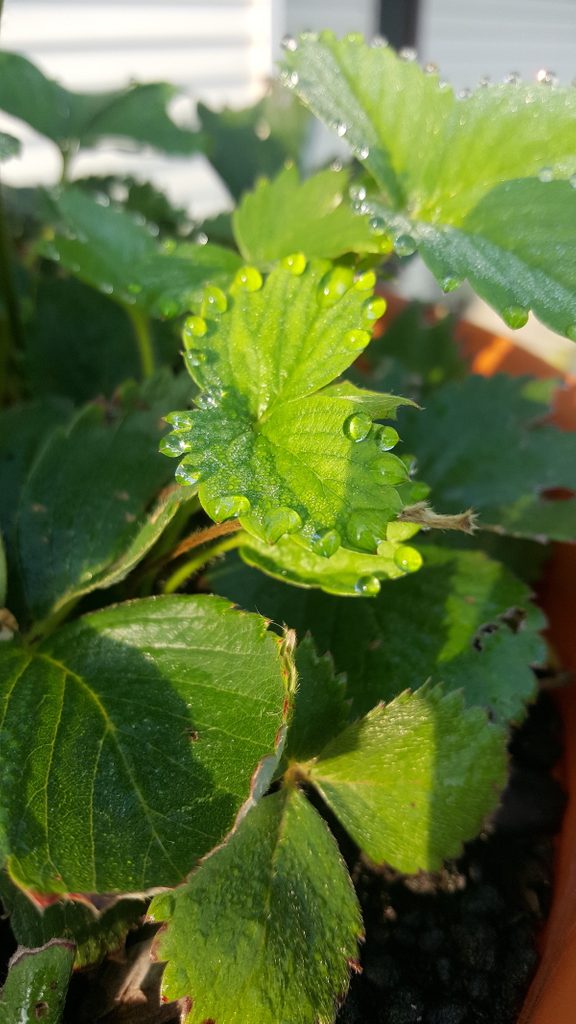
How often you water strawberry plants depends on the weather and soil type. The goal is to maintain a lightly moist soil, with strawberries planted in average garden soil needing around an inch of water each week.
Water in the morning so any moisture that splashes on the leaves has time to evaporate before nightfall. This helps reduce the occurrence of plant diseases. Hand-water with a watering can or long-handled watering wand, or make irrigation a snap by running a soaker hose between the strawberry plants.
Learn how to grow a black chokeberry shrub in your yard.
Strawberry Plant Pruning and Mulching Tips
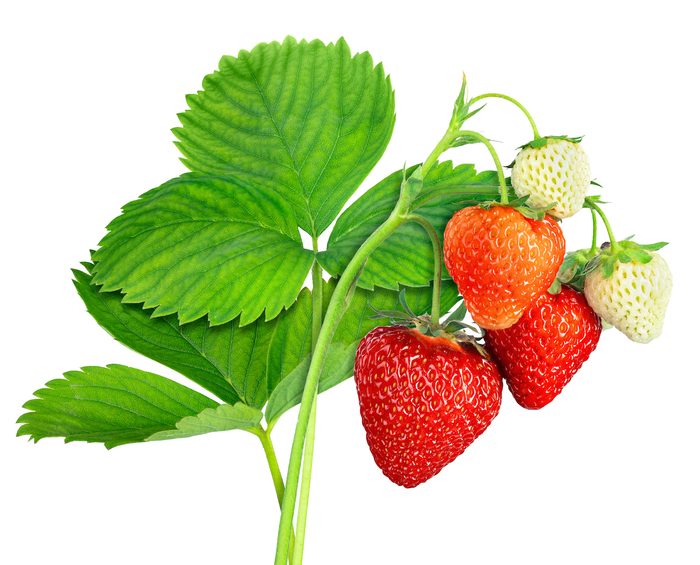
To encourage vigorous plants, pinch all flowers that develop on June-bearing plants that first year. With ever-bearing and day-neutral varieties, pinch flowers until late June and then let subsequent blooms develop into berries.
In regions where the temperature dips below 15 degrees in winter, mulch the plants to prevent damage. After the first few autumn frosts, spread a 3-to-4-inch-deep layer of straw or shredded leaves on top of the plants. Come spring, rake away most of the mulch, leaving a thin layer to deter weeds, hold soil moisture and keep the berries clean.
Are American pokeweed berries poisonous?
How to Grow Strawberries in Pots
The best strawberries for pots, planters and window boxes are day-neutral, which produce over a long season.
Pick a container at least 12 inches in diameter with drainage holes, and fill it with a 50-50 blend of potting mix and compost. Set the plants 8 to 10 inches apart, or plant three strawberry plants in a 12-inch-diameter container.
Keep the growing mix lightly moist throughout the season and use a liquid organic fertilizer once a month.
To provide potted plants’ roots with added insulation from the cold, store them in an unheated garage for winter, move them into the garden in fall or grow strawberries as annuals.
Next, learn how to grow an indoor lemon tree.
Sources
- University of Minnesota Extension, “Growing strawberries in the home garden“
- Cornell Cooperative Extension of Chemung County, “Growing Strawberries in the Home Garden“
Why Trust Us
For nearly 30 years, Birds & Blooms, a Trusted Media Brand, has been inspiring readers to have a lifelong love of birding, gardening and nature. We are the #1 bird and garden magazine in North America and a trusted online resource for over 15 million outdoor enthusiasts annually. Our library of thousands of informative articles and how-tos has been written by trusted journalists and fact-checked by bird and garden experts for accuracy. In addition to our staff of experienced gardeners and bird-watchers, we hire individuals who have years of education and hands-on experience with birding, bird feeding, gardening, butterflies, bugs and more. Learn more about Birds & Blooms, our field editor program, and our submission guidelines.
On This Page
What Does an Albino Crow Look Like?
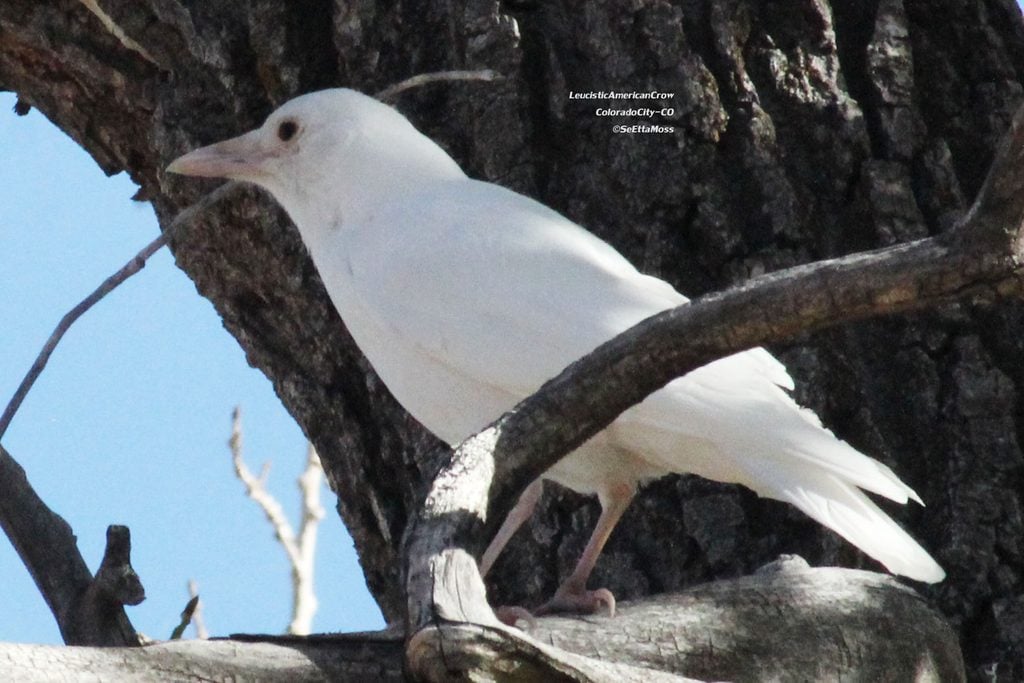
This American crow (above), photographed by Birds & Blooms contributor SeEtta Moss, has white feathers and pink feet, legs, and a pink bill…but that doesn’t necessarily make it an albino crow.
According to Kevin McGowan, senior course developer with the Cornell Lab of Ornithology, color variations in crows can occur for a variety of reasons. “Having a normal-plumaged bird is a complicated system,” he says, likening the factors that influence a bird’s coloring to starting a car. “If you turn your key and the car won’t start, there are a thousand things it could be.”
Certainly, one possibility is albinism, which occurs when the bird’s genetics result in cells that improperly produce melanin. This could turn the bird’s feathers white, and its skin pink. In such a case, the bird’s eyes would be also be red.
Are albino or leucistic robins rare?
Are Albino Crows Healthy?
Because plumage and feathers play key roles in a bird’s daily life and survival, albinism can be a detriment. It can affect the bird’s ability to find a mate, and even hurt the bird’s eyesight.
“True albinos don’t have any pigment in their eyes, so they’re very light-sensitive and probably can’t see as well as normal birds,” Kevin explains. He also highlights that melanin provides strength for feathers, which means the feathers of albino birds tend to be weaker than those of their normally colored counterparts. “There’s a reason albinism is rare,” he says. “It’s a bad condition to have.”
Is this white mourning dove albino?
Leucistic Crows
Aside from albinism, several other conditions or factors could cause a crow to lack coloring in its feathers or elsewhere on its body. One of the more common is leucism, also referred to as partial albinism.
“When a bird is developing as an embryo, we know there are mutations that can occur that mess with the distribution of melanocytes,” Kevin says, referencing cells that create melanin and deposit it throughout the bird’s feathers and skin. “Those birds have pure white patches scattered across the body, often symmetrically on each side. That’s because of bad distribution of the cells when the thing was developing. That’s called leucism.”
The white crow in the image above, then, appears to be leucistic.
See photos of rare white hummingbirds.
Other Causes of White Feathers
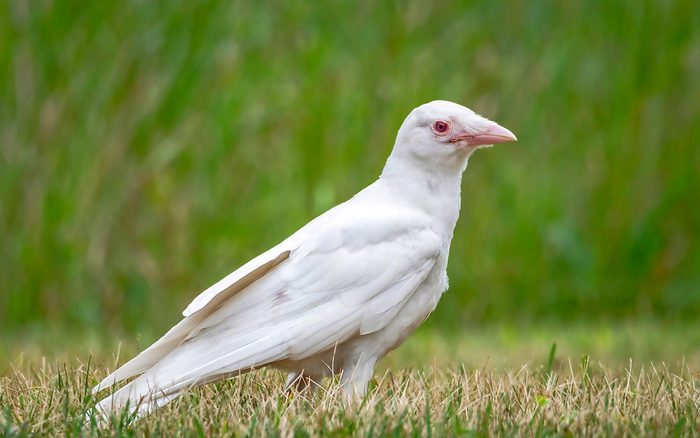
Albinism and leucism aren’t the only reasons a crow would develop unusually colored feathers. Sometimes, Kevin explains, external factors or age can play a role.
“There are things that can happen in the development of the feathers themselves, such that there’s something wrong with [the bird’s] nutrition, or they experience a deprivation in food, or there’s an illness or something that can interfere with the development of the melanin one time,” he says, explaining that it occurs frequently with juvenile crows. “That seems to be a developmental thing, a one-time accident sort of deal. The next year, they don’t have white in their feathers anymore.”
Meet the fish crow: the American crow’s coastal cousin.
Do Crows Turn Gray as They Age?
In addition, similarly to humans, older crows sometimes start to “go gray.” Rather than developing gray hairs like humans do, age affects the color of their feathers. “There’s progressive graying, which is that the cells that produce pigment die, and it’s like turning gray,” Kevin explains. “Certain cells can’t produce pigment anymore, and you end up with a bird that gets whiter and whiter.”
Another complicating factor: birds produce two kinds of melanin, and sometimes issues only occur with one. This can result in a bird that is grayer, or redder, than the others. “Sometimes we get gray crows that aren’t making the rusty brown melanin, and sometimes we get brownish crows that are not making the gray melanin,” Kevin says. “There can be gradations of that, and you can get some birds that are very pale. That’s called dilute plumage.”
Kevin has never personally seen an albino crow, although he has seen crows with variations in coloring. “It’s an interesting complex of things,” he says. “I’ve seen some very unique birds through the years. Not very often, but often enough to keep things interesting.”
Next, find out if crow sightings have meaning?
About the Expert
Lifelong birder and ornithologist Dr. Kevin McGowan is a senior course developer for the Cornell Lab of Ornithology’s Bird Academy. He earned a Ph.D in biology at the University of South Florida.
Sources
- Cornell Lab of Ornithology’s All About Birds, “What can cause birds to show weird color variations?“
- Project FeederWatch, “Albinism and Leucism“
Why Trust Us
For nearly 30 years, Birds & Blooms, a Trusted Media Brand, has been inspiring readers to have a lifelong love of birding, gardening and nature. We are the #1 bird and garden magazine in North America and a trusted online resource for over 15 million outdoor enthusiasts annually. Our library of thousands of informative articles and how-tos has been written by trusted journalists and fact-checked by bird and garden experts for accuracy. In addition to our staff of experienced gardeners and bird-watchers, we hire individuals who have years of education and hands-on experience with birding, bird feeding, gardening, butterflies, bugs and more. Learn more about Birds & Blooms, our field editor program, and our submission guidelines.
On This Page
Birding Challenge: Rufous vs Allen’s Hummingbird
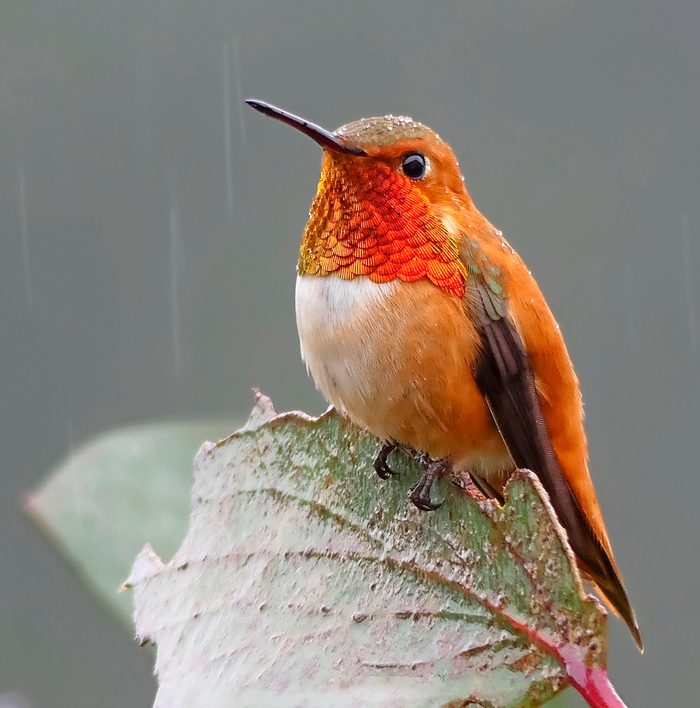
You might call these hummingbird lookalikes a real humdinger. It’s tricky to tell rufous vs Allen’s hummingbirds apart, largely because of their orange plumage and overlapping ranges. Thankfully, there are a few tricks you can use to determine whether you’re looking at an rufous or Allen’s hummingbird. Here’s how.
Learn to identify 15 types of hummingbirds found in the United States.
Rufous Hummingbird Identification
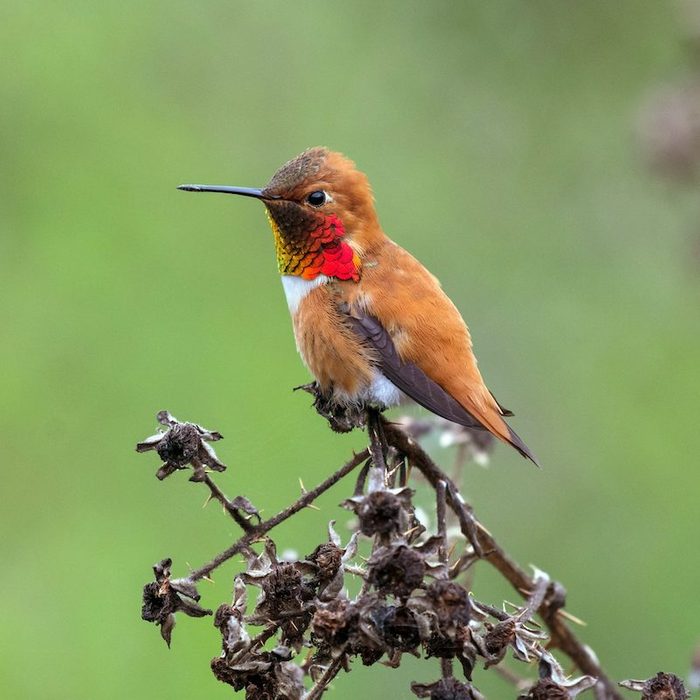
Adult male rufous hummingbirds have a uniformly orange back and tail, though some have glimmers of green. The second feather from the middle of their tail has a notched tip that’s visible when the tail is fanned out.
As far as observable behaviors, males dive in oval shape around perched females. That said, they can show variation when practicing or defending their territory. Their range covers a wide swath of western states, including Alaska and the Rockies.
See the brilliant spectrum of hummingbird colors.
Allen’s Hummingbird Identification
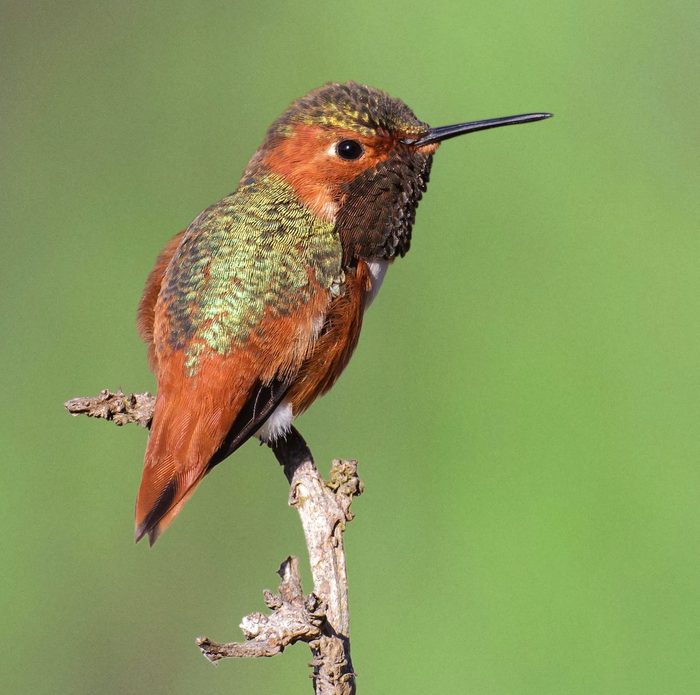
To identify a male Allen’s hummingbird, look for an overall a mix of orange and green on adult males; females and juvenile males are nearly identical in hue to rufous. An Allen’s outermost feathers are slimmer and pointier than the rest.
When flying around perched females, males do so in a “J” shape. Their range is restricted to West Coast in breeding season, and Southern California and Arizona during migration.
Meet the Costa’s hummingbird: jewel of the desert.
Key Differences: Range and Field Marks
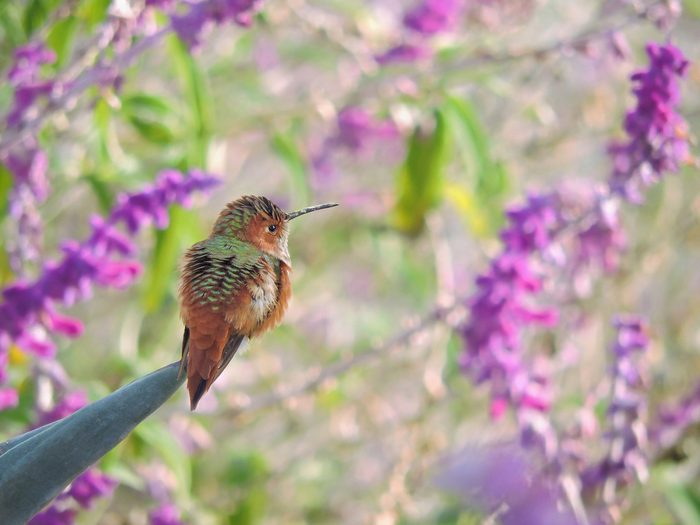
Perhaps the clearest and most easily spotted difference between rufous vs Allen’s hummingbirds is the clear presence of green feathers on the back of an adult male Allen’s hummingbird. On rufous hummingbirds, that green coloration is less prominent.
Also worth noting is the differences in ranges between these birds. In the United States, birders can find Allen’s hummingbirds in the lower halves of Arizona and California during migration, and along the California and Oregon coasts during breeding season. This isn’t the case for the rufous, which has a more extensive range covering a large portion of the western United States.
Complicating it all further, ornithologists have pinpointed a 200-mile zone in Oregon and California where rufous and Allen’s hummingbirds interbreed. Hybrid individuals display tiny differences in their tail shapes and courtship behaviors. Talk about a tricky bird to identify!
Next, learn how to identify an Anna’s hummingbird.
Sources
- Cornell Lab of Ornithology, rufous hummingbird
- Cornell Lab of Ornithology, Allen’s hummingbird
- Oxford University Press
Why Trust Us
For nearly 30 years, Birds & Blooms, a Trusted Media Brand, has been inspiring readers to have a lifelong love of birding, gardening and nature. We are the #1 bird and garden magazine in North America and a trusted online resource for over 15 million outdoor enthusiasts annually. Our library of thousands of informative articles and how-tos has been written by trusted journalists and fact-checked by bird and garden experts for accuracy. In addition to our staff of experienced gardeners and bird-watchers, we hire individuals who have years of education and hands-on experience with birding, bird feeding, gardening, butterflies, bugs and more. Learn more about Birds & Blooms, our field editor program, and our submission guidelines.
On This Page
What Makes a Plant Invasive?
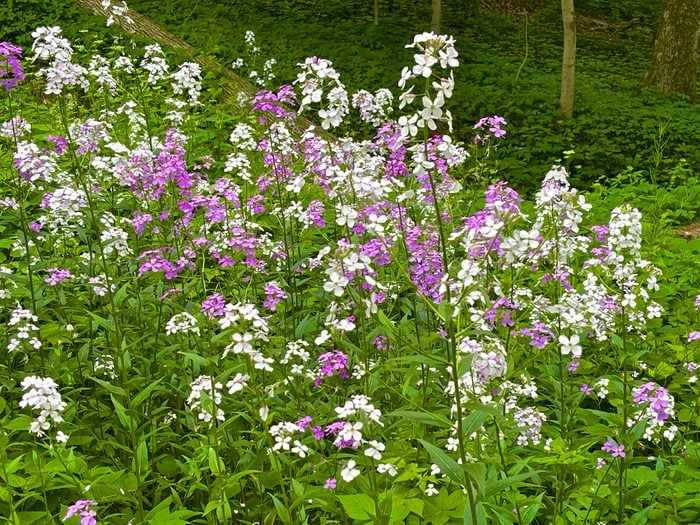
Invasive plants have two characteristics. First, these plants are nonnative to the ecosystem, and second, they cause or are likely to cause harm to humans, the environment or the economy.
Check your garden—you might have one of these surprising invasive flowers.
Invasive Plant Damage Is Costly
The invasive aquatic plant Elodea is the first freshwater invasive plant known to have appeared in Alaska. It chokes out native vegetation and spreads easily and rapidly, needing only a 2-inch clipping of its stem to take root in a new location. Because it disrupts native vegetation and damages the quality of aquatic environments, experts say it could cost the Alaskan sockeye salmon industry as much as $159 million a year.
Psst—never plant these invasive shrubs (and what to grow instead!)
Don’t Leave Purple Loosestrife!
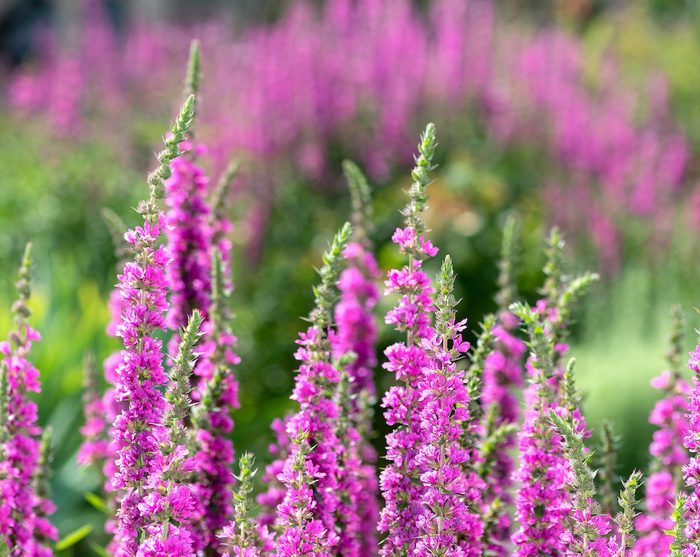
Many invasive plants are known for spreading quickly. The deceptively pretty invasive purple loosestrife can produce more than 2.7 million seeds annually. Native to Europe and Asia, purple loosestrife looks like a lovely flower—but it’s a headache for many gardeners in the United States and Canada. It grows in wetland environments and crowds out native species. Roots can send out 30 to 50 shoots, which creates an interconnected web of plants.
In addition to purple loosestrife, keep an eye out for the worst invasive plants.
Invasive Plants Are Difficult to Remove
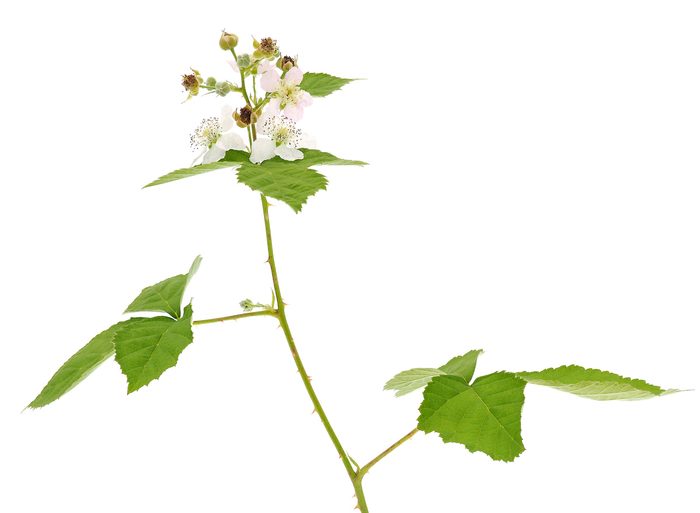
Himalayan blackberry is invasive in the Pacific Northwest, forming impenetrable thickets of up to 500 canes per square yard. As with many native plants, it is incredibly difficult to control and eradicate, especially when attempting to pull it out by the roots.
Here’s how to remove invasive plants from your garden for good.
Russian Thistle Spread Across the Southwest
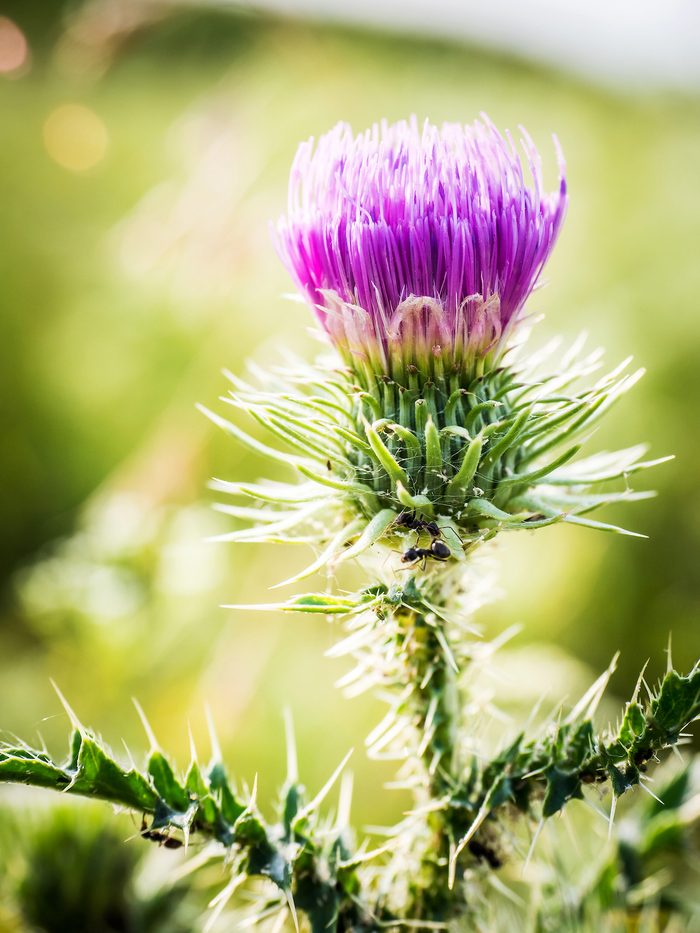
Better known as tumbleweed, Russian thistle arrived in the U.S. in 1873. Its rapid spread was accidental. Today, it infests approximately 100 million acres, especially in the American Southwest.
Should you get rid of Canada thistle? Find out what the experts say.
Some Invasive Plants Are Harmful to Humans
Lots of invasive plants hurt the environment, but giant hogweed hurts people, too. Its leaves grow up to 5 feet across, and its toxic sap causes severe skin blisters when exposed to sunlight. If you have the misfortune of coming into direct contact with giant hogweed, wash the affected skin with soap and water as soon as possible. Next, make sure to keep the affected area out of direct sunlight for at least 48 hours.
Is a black locust tree invasive?
Kudzu Vine Grows Extremely Fast
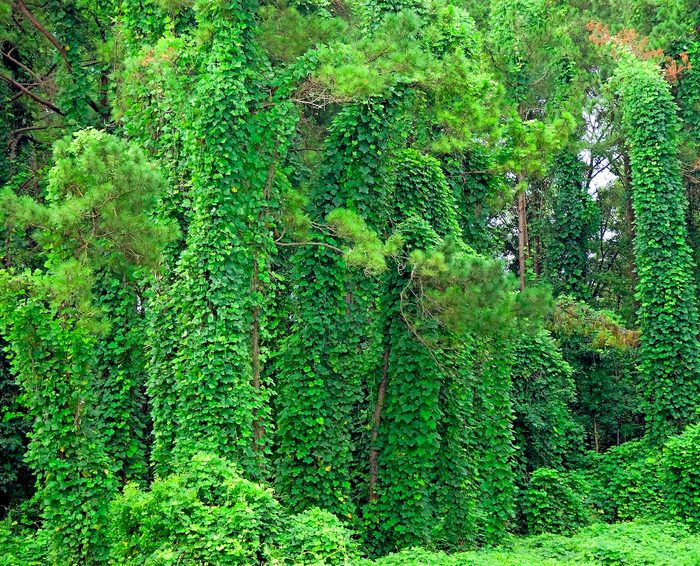
In summer, kudzu vine can grow up to 1 foot every day, reaching lengths of over 100 feet. Some refer to it as “the vine that ate the South” because of its prevalence in the southern United States. Unfortunately, it was once intentionally planted there as a means of controlling erosion.
Next, find out if trumpet vine is an invasive plant.
Sources
- New York State Department of Environmental Conservation, “Giant Hogweed“
- Minnesota Department of Natural Resources, “Purple loosestrife“
- King County, Washington, “Himalayan blackberry identification and control“
- The Nature Conservancy, “Kudzu: The Native Vine That Ate the South“
- National Park Service, “Elodea: Alaska’s First Invasive Aquatic Plant Continues to March Across the State“
- National Oceanic and Atmospheric Administration, “What is an invasive species?“
- UC Riverside Center for Invasive Species Research, “Russian Thistle“
- United States Department of the Interior, “Invasive Species Strategic Plan 2021-2025“
- Clackamas Soil and Water Conservation District, “October Invasive Weed of the Month: Himalayan Blackberry“
Why Trust Us
For nearly 30 years, Birds & Blooms, a Trusted Media Brand, has been inspiring readers to have a lifelong love of birding, gardening and nature. We are the #1 bird and garden magazine in North America and a trusted online resource for over 15 million outdoor enthusiasts annually. Our library of thousands of informative articles and how-tos has been written by trusted journalists and fact-checked by bird and garden experts for accuracy. In addition to our staff of experienced gardeners and bird-watchers, we hire individuals who have years of education and hands-on experience with birding, bird feeding, gardening, butterflies, bugs and more. Learn more about Birds & Blooms, our field editor program, and our submission guidelines.
Not only are fast growing vines and climbing flowers great to look at, they serve a definite purpose in backyards. Vining plants can add height and fullness to any flower garden with their sky-high antics. Take a look at these plant picks for ideas, then start adding flowering vines to your backyard.
On This Page
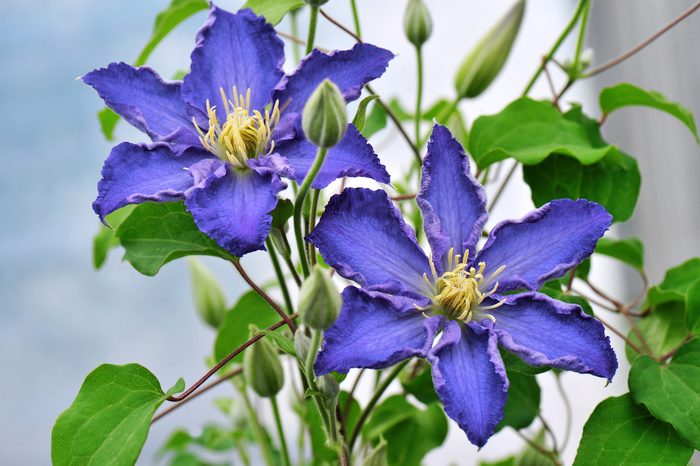
Clematis
Clematis spp., Zones 3 to 9
This cold-hardy vine is available in a wide range of colors. Different clematises bloom anytime from spring to frost, attracting butterflies and hummingbirds. These vines need “warm heads and cool feet” in the form of full sun in moist, well-draining soil that has been mulched or underplanted with other perennials.
Why we love it: Equally attractive are the large, fluffy seed heads, which develop on some vines in fall and remain well into winter.
After you finish reading our list of fast growing vines and climbing flowers, discover the best vines to grow for hummingbirds.
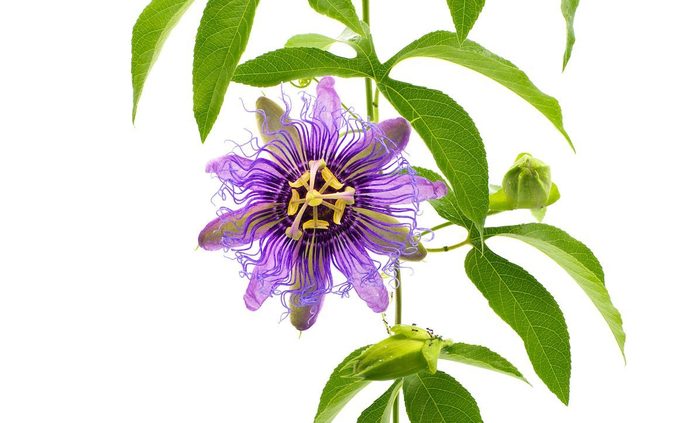
Purple Passionflower
Passiflora incarnata, Zones 5 to 9
Hummingbirds love the passionflower’s intricate blooms, while butterflies flock to the vine as it is a larval host plant. Gardeners in the northern portion of its hardiness zones may not see fully formed fruit on this plant. It’s a native perennial that’s drought tolerant and grows in full sun or part shade.
Why we love it: The intricate blossoms can be cut and placed in small vases.
For another drought-tolerant option, try heat-loving butterfly vine.
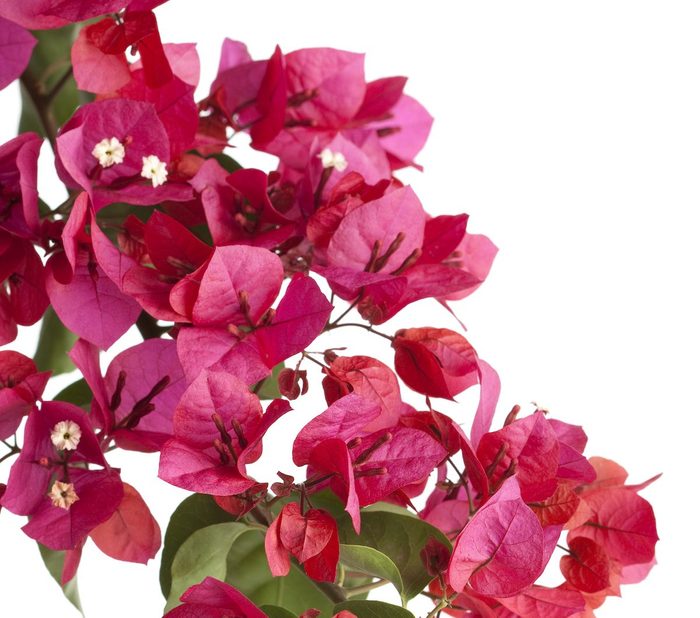
Bougainvillea
Bougainvillea spp., Zones 9 to 11, annual elsewhere
This flowering vine produces masses of neon-bright, papery thin “flowers,” which are actually colorful bracts. The true flowers are small and white, and are nestled within. This sun-loving, drought-tolerant plant needs acidic soil. In the South, bougainvillea can get quite large when trained up the side of a house.
Why we love it: Though popular as a vine, it also functions as a shrub or a container plant.
Add lilac vine to backyard flower gardens.
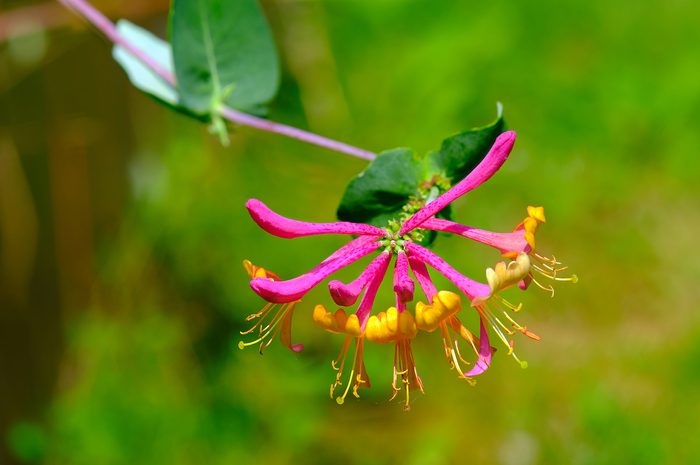
Coral Honeysuckle
Lonicera sempervirens, Zones 4 to 9
The native coral honeysuckle (not the invasive L. japonica) has long, tubular flowers that bloom in bunches, creating a fan effect. A favorite among hummingbirds, this vine is also a larval host plant for butterflies and moths.
Why we love it: The blooms last from spring into summer, then small, bird-friendly berries appear.
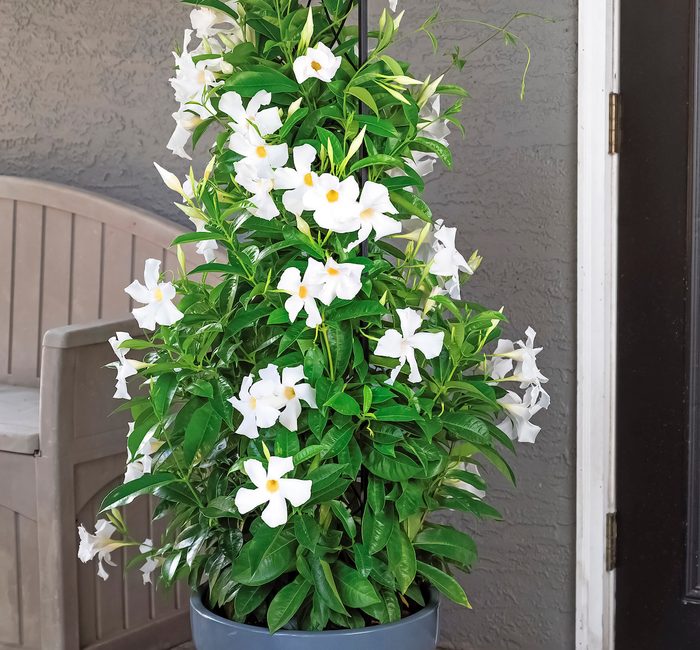
Mandevilla
Mandevilla spp., Zones 10 to 11, annual elsewhere
Nothing says tropical like mandevilla, which thrives in heat and humidity. Large trumpet-shaped flowers in pink, red, yellow, white, apricot, peach and lavender bloom all summer long. These woody vines are often sold as annuals but can overwinter inside.
Why we love it: Perfect for the poolside, container-friendly mandevilla can provide bold color anywhere.
Learn how to grow a climbing hydrangea vine.
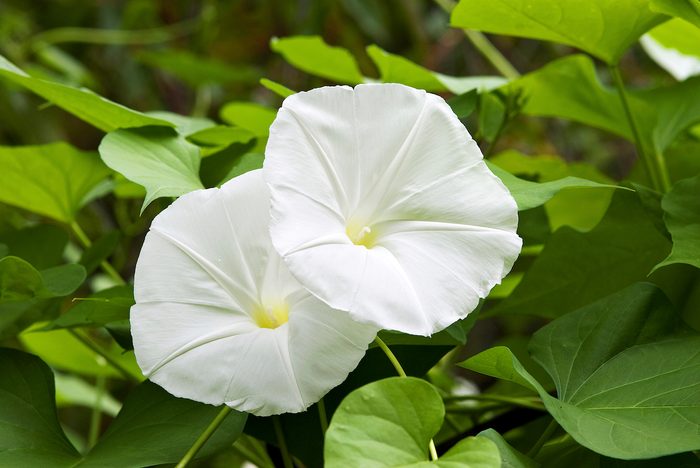
Moonflower
Ipomoea alba, Zones 10 to 12, annual elsewhere
Moonflower vines bloom fragrant white flowers at dusk for night-flying moths to pollinate. Each 5-inch-wide, flat flower is marked with a narrow five-pointed star. Preferring moist, well-draining soil and full sun, moonflowers bloom from summer to fall.
Why we love it: Kids and adults alike will love watching moonflowers open up later in the day.
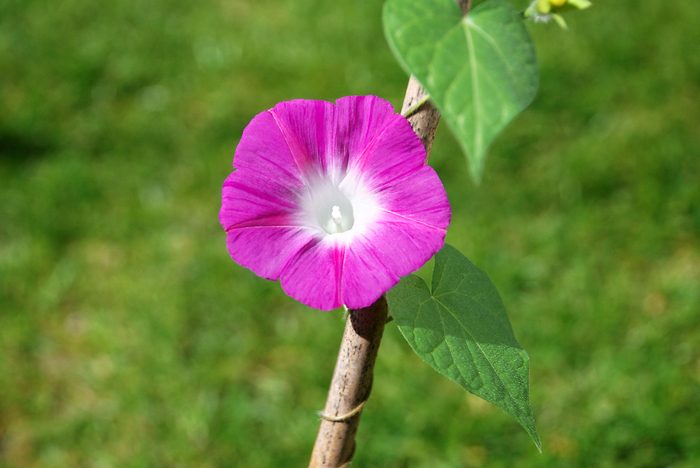
Morning Glory
Ipomoea spp., annual
Morning glory vines are available in floral colors of pink, white, blue or purple. Easy to grow from seed, the trumpet-shaped flowers open in the morning and close later in the day. Morning glories do reseed readily, so plant them with awareness of their spreading abilities.
Why we love it: Drape the lightweight vines over deck banisters, or train them up vertical structures such as obelisks.
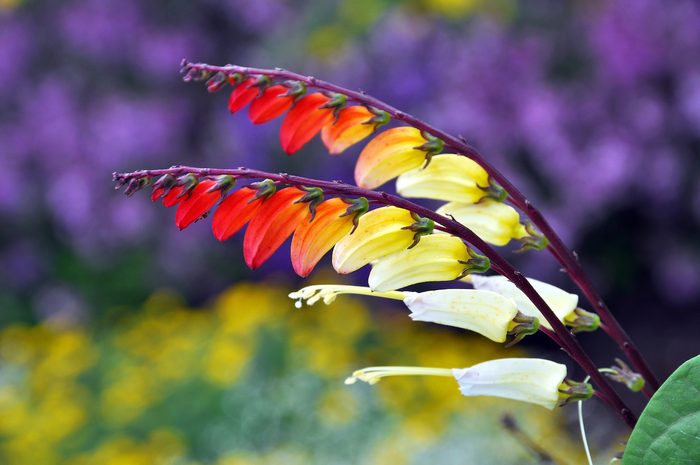
Firecracker Vine
Ipomoea lobata, Zones 9 to 11, annual elsewhere
Firecracker vine produces upright flower heads, attracting pollinators. Also commonly called Spanish flag, each branch consists of at least a dozen blossoms in a descending cascade of colors.
Why we love it: These fast growing vines grow prolifically in early summer, and the flowers bloom in late summer.
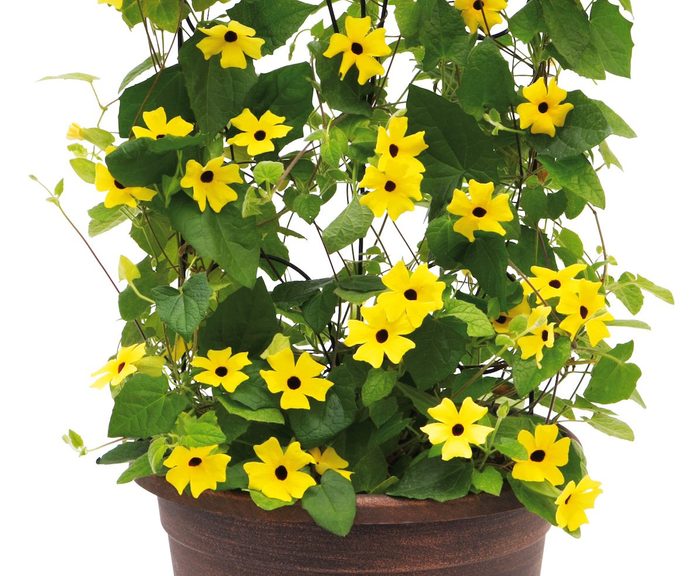
Black-Eyed Susan Vine
Thunbergia alata, Zones 10 to 11, annual elsewhere
Watch for hummingbirds, bees and butterflies to visit the 2-inch-wide blooms on a black-eyed Susan vine. Simple but dramatic, this vine also pops in hanging baskets.
Why we love it: Recent breeding has produced captivating colors including red, orange-red and all white.
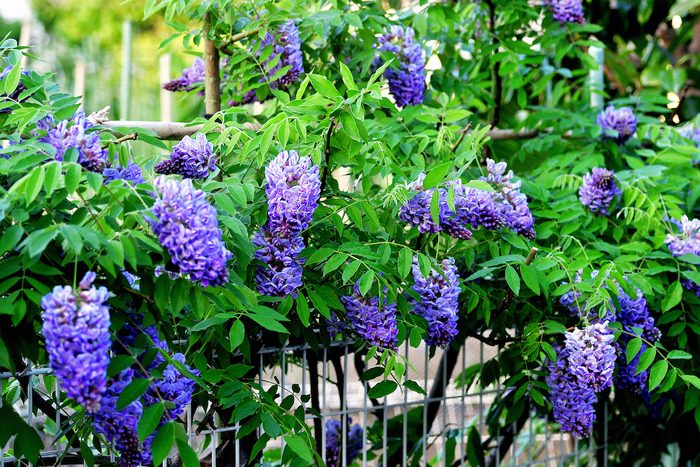
American Wisteria
Wisteria frutescens, Zones 5 to 9
This native blooms in late spring—the sweetly scented lavender blossoms attract butterflies, while the vine serves as a larval host plant for several skipper butterflies. Be sure to give this woody vine strong support and full sun.
Why we love it: For the best effect, grow this classic in an open structure, allowing the blooms to hang freely.
Invasive Vines You Should Never Grow
Not all fast growing vines are good for your garden. Avoid these plants known to cause issues:
- Chinese wisteria (Wisteria sinensis)
- English ivy (Hedera helix)
- Japanese honeysuckle (Lonicera japonica)
- Japanese wisteria (Wisteria floribunda)
- Kudzu (Pueraria montana)
- Old man’s beard (Clematis vitalba)
Next, find out if trumpet vine is invasive.
Sources
- Missouri Botanical Garden – purple passionflower
- University of Florida Extension – passionflower
- Loudoun Wildlife Conservancy – native vines for wildlife
- North Carolina Wildlife Federation – native pollinator vines
- North Carolina Cooperative Extension – coral honeysuckle
- National Audubon Society – 10 plants for a bird-friendly yard
- Virginia Native Plant Society – coral honeysuckle
- North Carolina State Cooperative Extension – American wisteria
- Virginia Native Plant Society – American wisteria
- Oregon State University Extension Service – morning glory
- Iowa State University Extension and Outreach – annual flowering vines
- University of Arkansas Division of Agriculture Research & Extension – moonflower
- Missouri Botanical Garden – moonflower
- University of Wisconsin-Madison Division of Extension – black-eyed Susan vine
- University of Arkansas Division of Agriculture Research & Extension – black-eyed Susan vine
- Clemson Cooperative Extension – clematis
- University of Nebraska-Lincoln Extension – clematis
- Michigan State University – an introduction to clematis
- Clemson Cooperative Extension – mandevilla
- University of Florida Extension – mandevilla
- North Carolina State Cooperative Extension – bouganvillea
- UC Master Gardeners of Napa County – bouganvillea
- North Carolina State Cooperative Extension – firecracker vine
- Missouri Botanical Garden – firecracker vine
- University of Arkansas Division of Agriculture Research & Extension – Spanish flag
Why Trust Us?
For nearly 30 years, Birds & Blooms, a Trusted Media Brand, has been inspiring readers to have a lifelong love of birding, gardening and nature. We are the #1 bird and garden magazine in North America and a trusted online resource for over 15 million outdoor enthusiasts annually. Our library of thousands of informative articles and how-tos has been written by trusted journalists and fact-checked by bird and garden experts for accuracy. In addition to our staff of experienced gardeners and bird-watchers, we hire individuals who have years of education and hands-on experience with birding, bird feeding, gardening, butterflies, bugs and more. Learn more about Birds & Blooms, our field editor program, and our submission guidelines.
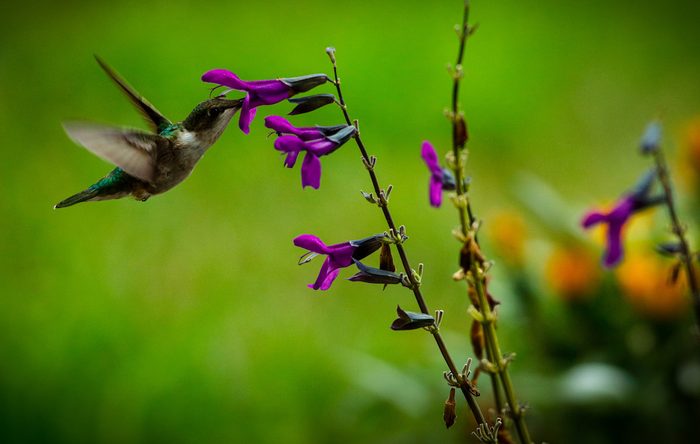
From window boxes to hanging baskets, container gardening is well known as a versatile way to add a bit of drama and color to any space—but it can be functional, too! Pack even more punch in your compact combinations by cultivating a nourishing hummingbird buffet with these tried-and-true container garden ideas.
Photos and container planting plans from Proven Winners
On This Page
How to Choose a Container
To anchor everything, you need the right container. You’ll certainly have plenty to choose from. Just go to the garden center, and chances are you’ll find rows and rows of them in every size, shape and color imaginable. Before you even start looking at plants, find a container that inspires you. A short, stocky container would be just the thing for a small conifer. A bold turquoise container would be the perfect backdrop for various shades of pink. A big, tall container is a nice option for trailing plants.
A good pot or other planter can be expensive, but go ahead and splurge a little if you find one you really like. Chances are you’ll have it for years. Oh, and remember that containers are like shoes—they’re better when you buy them in pairs!
One more thing to consider: make sure your container has drainage holes so that your soil doesn’t become waterlogged, which could lead to root rot.
Get more tips for watering container gardens.
Design Containers Like a Pro
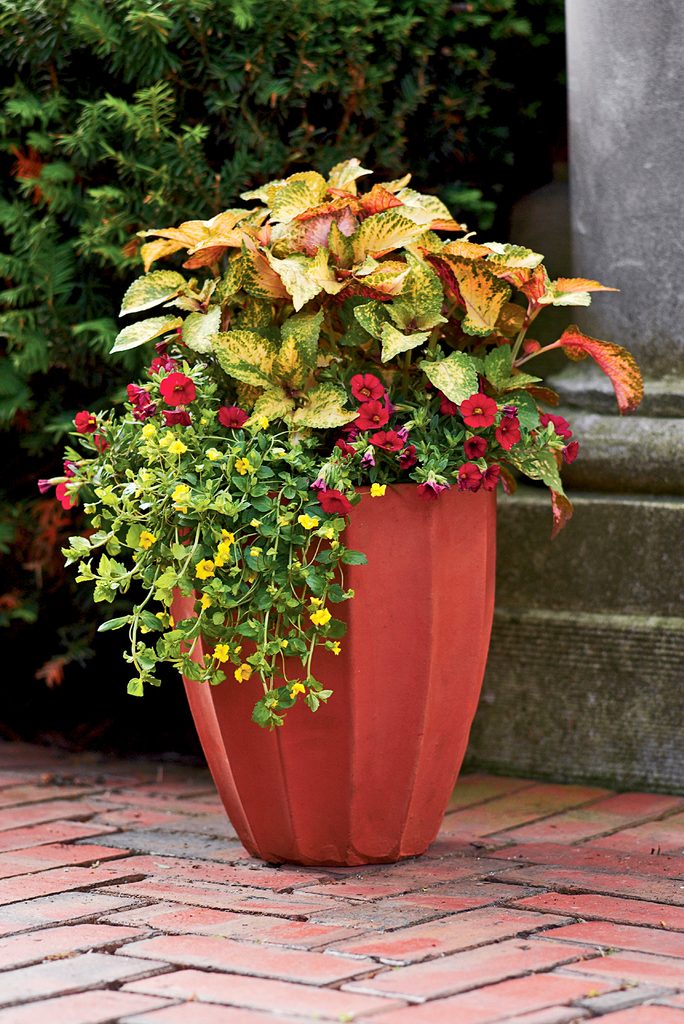
One common way to create a visually appealing container is by using the “thriller, filler, spiller” technique.
- Thrillers add the wow factor with their height. Plant according to how the pot will be viewed. If it will be viewed from all sides, place it in the middle. Or if viewed from the front only, place it in the back.
- Fillers create dense volume by packing the pot with their mounded or rounded natures. These should be placed around or in front of the thriller.
- Spillers bring dramatic depth and texture as they overflow out of the pot. These are trailing plants that should be planted near the edge of the planter.
Learn how to grow a container garden for herbs.
Add Drama With Tall Plants
One of the easiest ways to make an impact with a container is tall plants. You can find some colorful annuals, but don’t overlook perennials. Just because you’re growing in a container doesn’t mean you have to dump the plants out each year. Offer the perennials good protection in a weatherproof pot over the winter, and you’ll have a jump on next year.
Include Trailing Plants
Trailing plants are a must-have for hanging baskets, but they’re a showstopper for other container garden ideas, too. Garden centers often have a whole section of trailing plants. Use blooms like trailing begonias, petunias and geraniums, or try foliage plants like sweet potato vine and licorice vine. You’ll probably want to stick to a single type of trailing plant per container, but it can be fun to mix in a couple of varieties within a single family.
Check out the best dwarf flowering shrubs for containers.
Choose Bold Colors
You don’t necessarily want to pair bright red flowers with a bright red container. But with a little bit of planning, you can use color to your advantage. It starts with your pot of choice. How colorful is it? If you love bright orange, yellow or blue pots, what’ll work well as accents?
Another option is to choose a more subdued, neutral pot that maybe has an interesting shape or lines. Then use plants to make an impact. One advantage to this is that you can change the plants from one year to the next. If you have a brown or terra-cotta pot, you could have a red, white and blue theme one year and a yellow theme the next.
Don’t Forget About Presentation
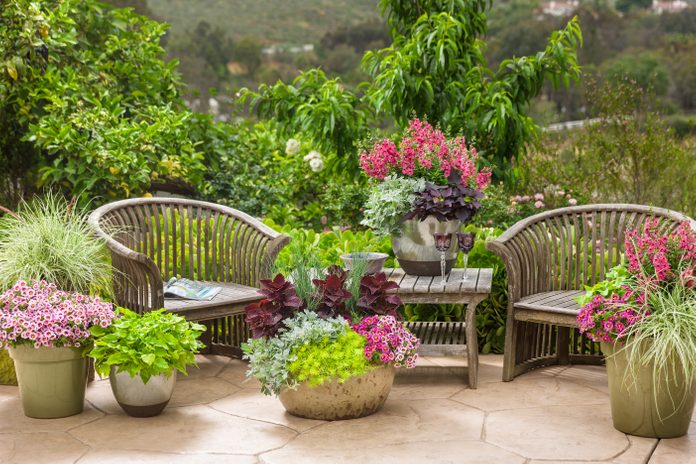
So you have your height and your trailing plants. You’ve chosen an attractive container. And you’ve used color to your advantage. Now you just need to make sure that everything works together.
Where will your container live? What do you have planted around it? If it’s in a solitary location, is it big enough to fill up the space? The planning and placement of your container are the deciding factors in its success. Give it an outstanding display, and all your hard work will be worthwhile.
Now that you know the basics, use these container garden ideas from Proven Winners as inspiration.
Container Garden Ideas to Attract Hummingbirds
Dancing With the Moon
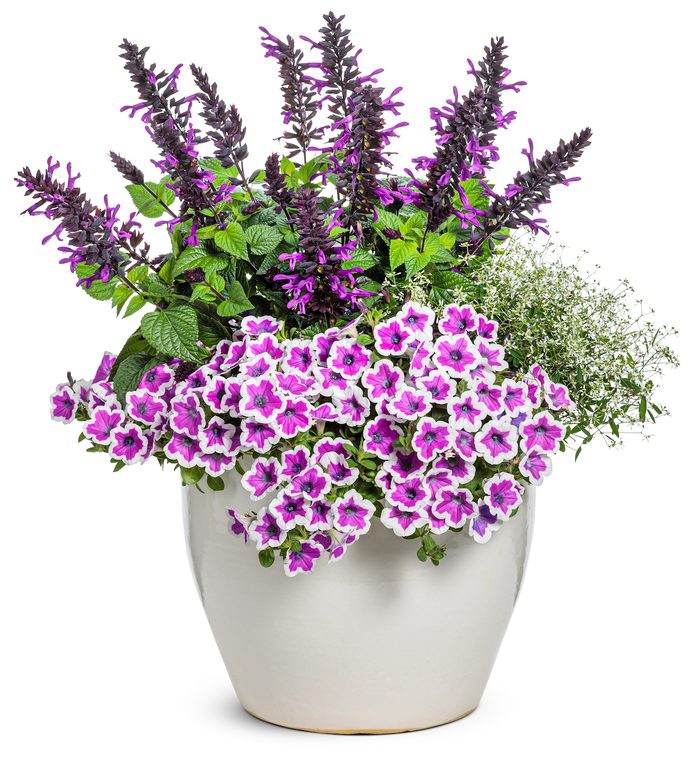
- Exposure: Part sun to sun
- Seasons: Spring, summer, fall
- Container size: 12 inches
- Rockin’ Deep Purple
Salvia hybrid
Thriller, Quantity: 1 - Diamond Frost
Euphorbia hybrid
Filler, Quantity: 1 - Supertunia Hoopla Vivid Orchid
Petunia hybrid
Spiller, Quantity: 1
Bouffant
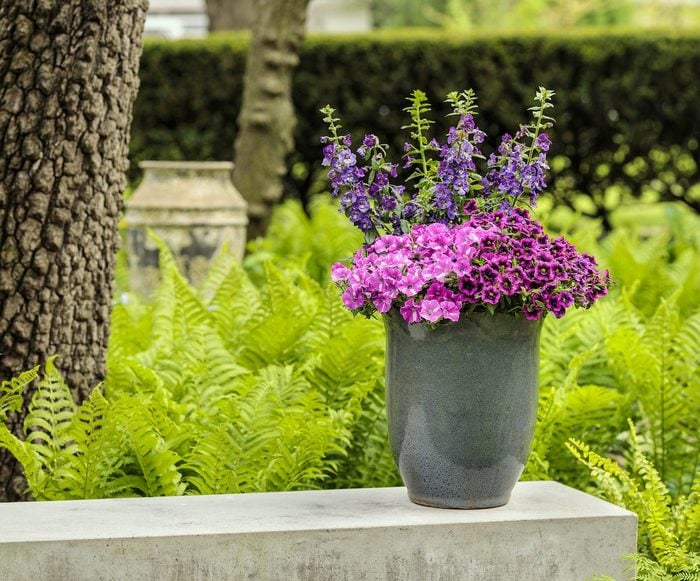
- Exposure: Part sun to sun
- Seasons: Spring, summer, fall
- Container size: 14 inches
- Angelface Blue Summer Snapdragon
Angelonia hybrid
Thriller, Quantity: 1 - Superbells Blackcurrant Punch
Calibrachoa hybrid
Filler, Quantity: 1 - Supertunia Raspberry Rush
Petunia hybrid
Spiller, Quantity: 1
Over the Falls
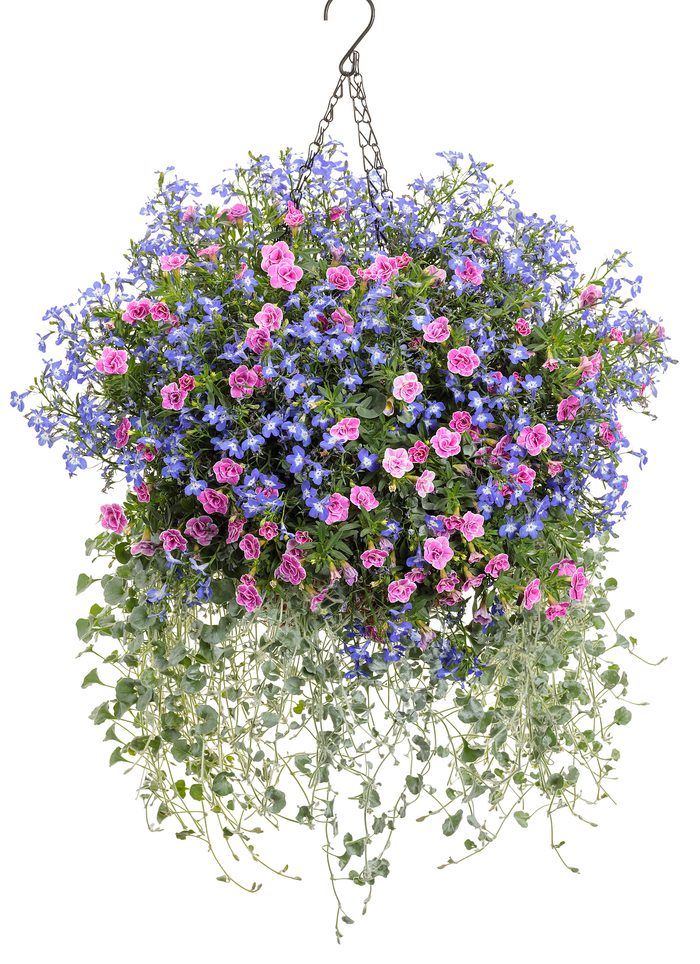
- Exposure: Part sun to sun
- Seasons: Spring, summer, fall
- Container size: 12 inches
- Laguna Compact Blue with Eye
Lobelia erinus
Filler, Quantity: 2 - Superbells Doublette Love Swept
- Double Calibrachoa Calibrachoa hybrid
Filler, Quantity: 2 - Silver Falls
Dichondra argentea
Spiller, Quantity: 1
Hot for Me
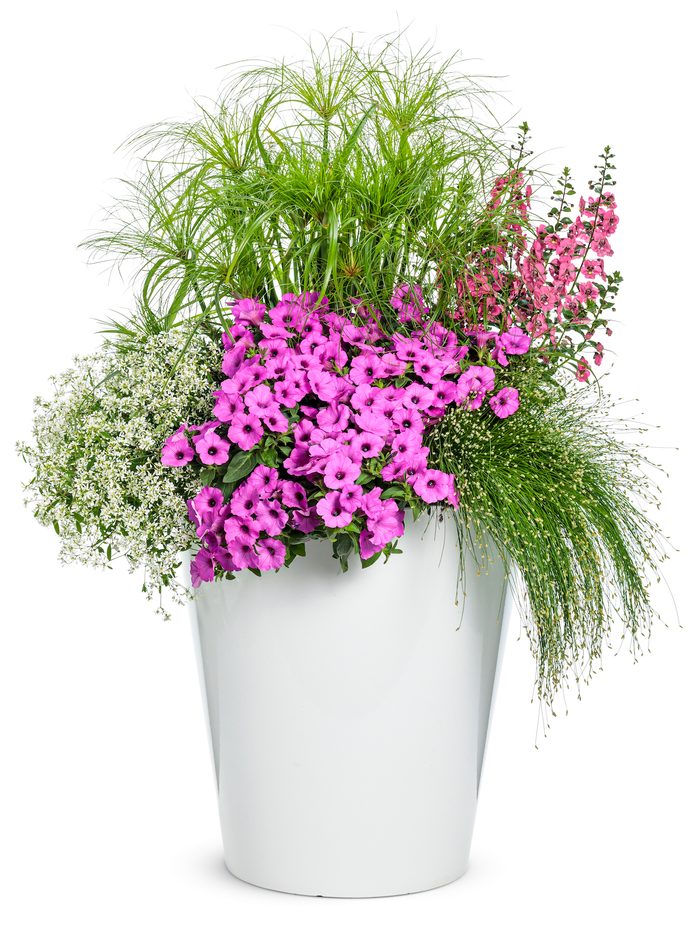
- Exposure: Part sun to sun
- Seasons: Spring, summer, fall
- Container size: 14 inches
- Angelface Perfectly Pink Summer Snapdragon
Angelonia hybrid
Quantity: 1 - Graceful Grasses Prince Tut Dwarf Egyptian Papyrus
Cyperus papyrus
Thriller, Quantity: 1 - Diamond Snow
Euphorbia hybrid
Thriller, Quantity: 1 - Graceful Grasses Fiber Optic Grass
Isolepsis (Scirpus) cernua
Filler, Quantity: 1 - Supertunia Vista Jazzberry
Petunia hybrid
Filler, Quantity: 1
Parisian Nights
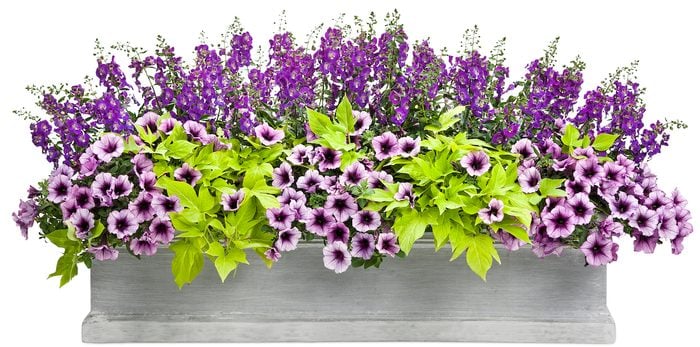
- Exposure: Sun
- Season: Summer
- Container size: 36 inches
- Angelface Blue Summer Snapdragon
Angelonia hybrid
Thriller, Quantity: 3 - Supertunia Bordeaux
Petunia hybrid
Spiller, Quantity: 3 - Sweet Caroline Light Green Sweet Potato Vine
Ipomoea batatas
Spiller, Quantity: 2
Why Trust Us
For nearly 30 years, Birds & Blooms, a Trusted Media Brand, has been inspiring readers to have a lifelong love of birding, gardening and nature. We are the #1 bird and garden magazine in North America and a trusted online resource for over 15 million outdoor enthusiasts annually. Our library of thousands of informative articles and how-tos has been written by trusted journalists and fact-checked by bird and garden experts for accuracy. In addition to our staff of experienced gardeners and bird-watchers, we hire individuals who have years of education and hands-on experience with birding, bird feeding, gardening, butterflies, bugs and more. Learn more about Birds & Blooms, our field editor program, and our submission guidelines.
On This Page
Native Butterfly Weed Care
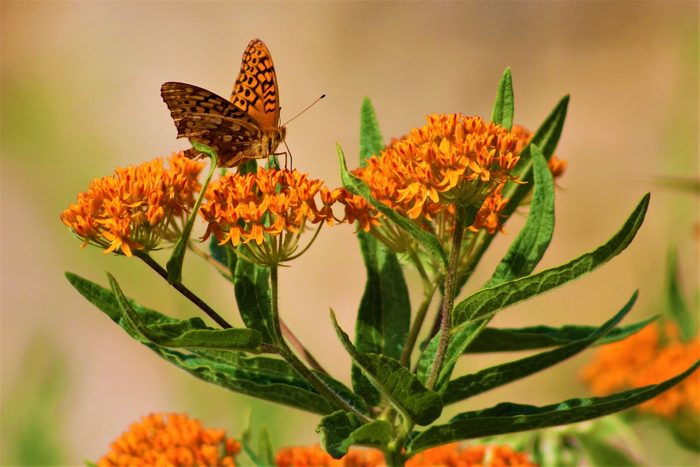
- Common name: Butterfly weed
- Scientific name: Asclepias tuberosa
- Growing zones: 3 to 9
- Light needs: Full sun
- Soil: Well-draining
- Size: Two to three feet tall and equally as wide
Check out the ultimate guide to growing milkweed plants for monarch butterflies.
Is Butterfly Weed a Type of Milkweed?
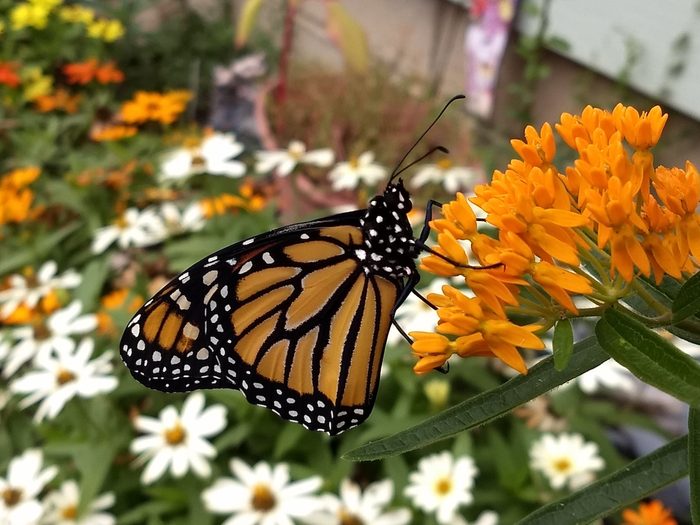
Butterfly weed is part of the milkweed family. The Monarch Joint Venture recommends this native milkweed for gardeners in the northeast, midwest and southeast regions.
“I’ve read that milkweed is the only host plant for monarch caterpillars. I don’t have milkweed, but I do have butterfly weed. I came upon about a dozen monarch caterpillars munching on the leaves. Is this unusual?” asks Birds & Blooms reader Charlotte Hense of East Troy, Wisconsin.
Gardening expert Melinda Myers says, “Monarch caterpillars will dine on all species of milkweeds, including butterfly weed. This milkweed species thrives in full sun and well-draining soil. It is also less aggressive than common milkweed, making it a good choice for smaller landscapes. Other milkweeds such as red, swamp, showy, whorled and green are also good choices. The Xerces Society has helpful guides for selecting the best milkweed plants for your region.
Benefits of Growing Butterfly Weed
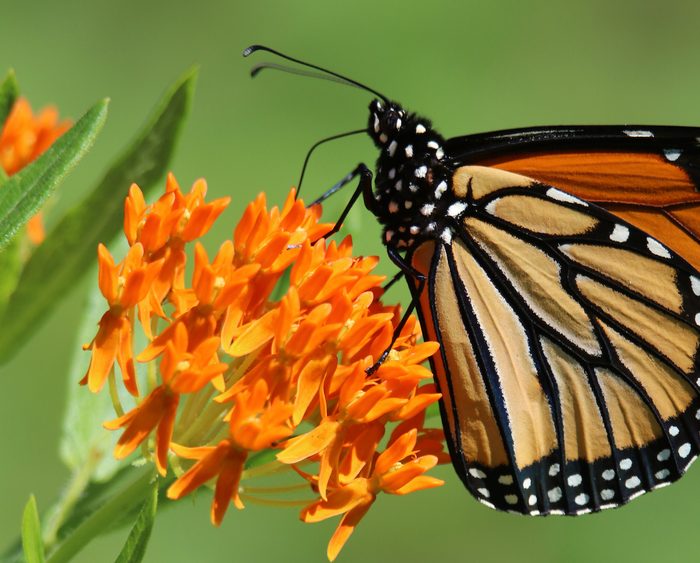
It’s easy to see why gardeners would choose to add this plant to their yards. This flowering perennial is a magnet for pollinators. Its gorgeous orange blooms persist through the summer, and it’s a favorite for cut flower gardens or dried flower arrangements. When planted in a meadow setting, it will naturalize and come back year after year, however it does not spread aggressively.
It’s a relatively low-maintenance plant as well, and it grows in poor, dry soil and even on slopes. Handling extreme conditions with ease, it’s drought tolerant as well as cold hardy. It’s usually deer-resistant in addition to being disease-free. It doesn’t produce as much milk sap as other milkweeds, which makes it ideal for gardeners with sensitive skin and pets.
Learn how to save and plant milkweed seeds from pods.
Does Butterfly Weed Attract Pollinators?
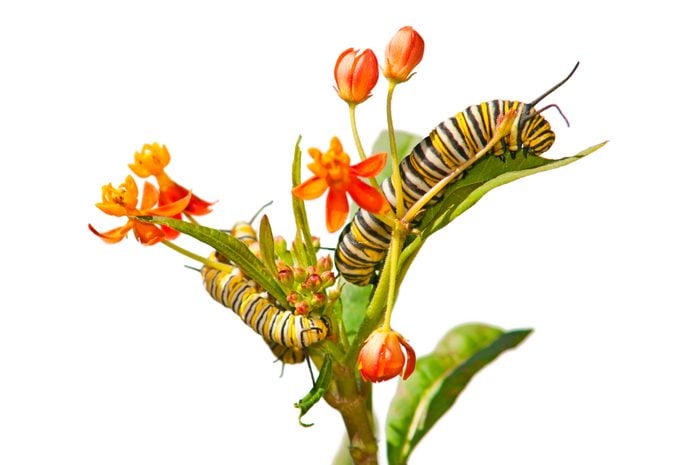
Increased pollinator presence is likely the biggest benefit of adding this plant to one’s garden. Native butterfly weed brings in plenty of good bugs! As a member of the butterfly milkweed family, it’s a monarch butterfly host plant. It’ll draw in black swallowtail butterflies, too, as well as other pollinators such as bees.
Learn how to get rid of aphids on milkweed plants.
Butterfly Weed Cultivars to Grow
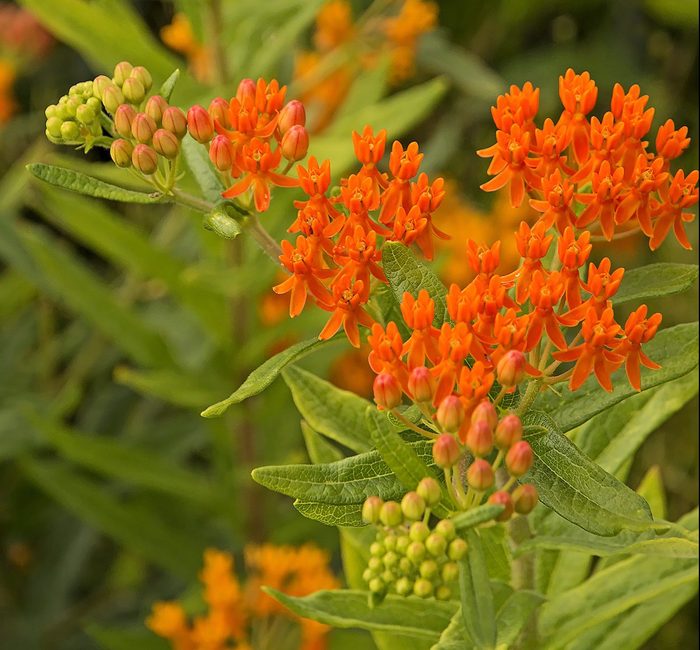
When it comes to planting native butterfly weed, you have plenty of choices. It’s available seed form, as bare milkweed roots, or as live plants in gallon-size containers. You can order seeds or plants online, or you can stop by your local garden center.
One cultivar to try is Gay Butterflies milkweed (zones 4 to 11). Grown by Monrovia, it showcases blooms from mid-to-late summer with fiery gold, yellow and scarlet flower clusters.
For golden flowers, look for the Hello Yellow cultivar.
Next, discover more monarch butterfly flowers you should grow.
About the Expert
Melinda Myers is the official gardening expert for Birds & Blooms. She is a TV/radio host, author and columnist who has written more than 20 gardening books. Melinda earned a master’s degree in horticulture from the University of Wisconsin-Madison.
Sources
- Monarch Joint Venture
- The Xerces Society for Invertebrate Conservation
- Monrovia
- Walters Gardens, Inc.
Why Trust Us
For nearly 30 years, Birds & Blooms, a Trusted Media Brand, has been inspiring readers to have a lifelong love of birding, gardening and nature. We are the #1 bird and garden magazine in North America and a trusted online resource for over 15 million outdoor enthusiasts annually. Our library of thousands of informative articles and how-tos has been written by trusted journalists and fact-checked by bird and garden experts for accuracy. In addition to our staff of experienced gardeners and bird-watchers, we hire individuals who have years of education and hands-on experience with birding, bird feeding, gardening, butterflies, bugs and more. Learn more about Birds & Blooms, our field editor program, and our submission guidelines.
On This Page
Blanket Flower Care and Growing Tips
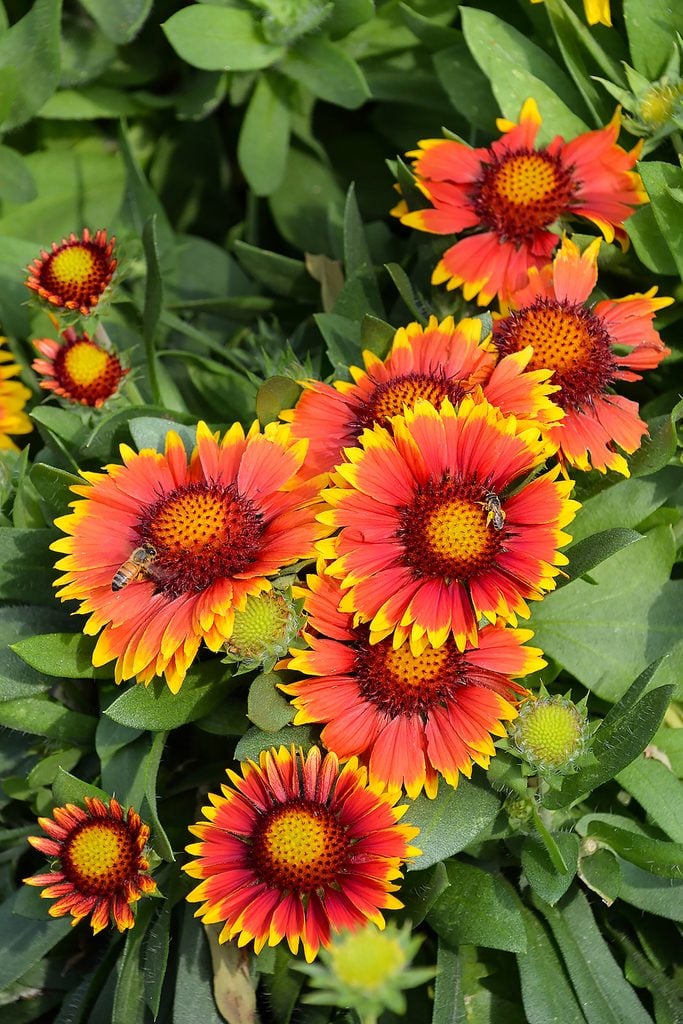
- Botanical name: Gaillardia spp.
- Zones: 3 to 10
- Attracts: Birds, bees and butterflies
- Light needs: Full sun
- Size: 2 to 3 feet tall
- Grown for: An explosion of color and drought tolerance
- Foliage: Long gray-green leaves
- Soil: Well draining
Few plants offer a bright sunburst of color quite like blanket flower (Gaillardia pulchella). Emerging in late spring, the blooms come in a combination of yellow, orange, red and maroon and stick around until September. Budget gardeners looking for a terrific pop of color in their gardens from spring through fall (and nearly year-round in zones 9 and 10) shouldn’t pass up one of our best native wildflowers. Its bright yellow and orange bi-color flowers are produced in abundance for months on end. The plants are easily started from good quality seed.
Blanket Flower Benefits
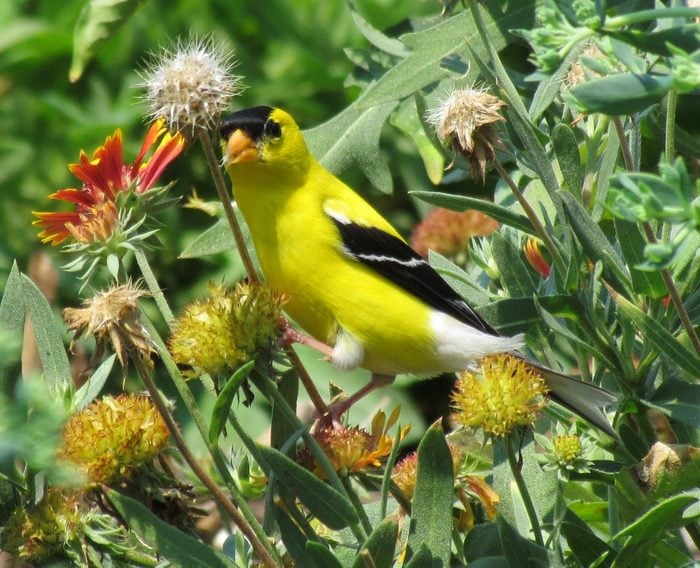
Blanket flower has made multiple Birds & Blooms “best lists”, including flowers that beat the heat and the top 10 plants for sandy soil. This easy-to-grow wildflower is great for pollinators and wonderful for cutting, too. You’ll often find it along roadsides and in wildflower meadows, and anywhere native flowers are emphasized. It does well in containers and is even salt-tolerant. Rabbits usually give it a pass, but goldfinches will snack on the seeds.
These plants ask for nothing but lots of sun, and the occasional bit of rain. However, blanket flower does poorly in clay soil.
Is Blanket Flower an Annual or Perennial?
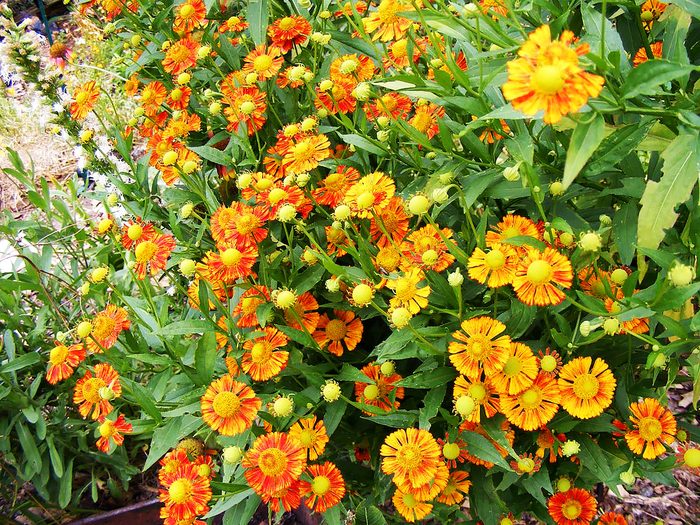
“This plant (above) has been growing in our garden every year for two to three years. The bees love the flowers. Can you tell us what it is?” asks Birds & Blooms reader Thomas Marnocha of South Bend, Indiana.
Garden expert Melinda Myers says, “Your bee-friendly plant is a blanket flower, also known by its botanical name, Gaillardia. There are annual, biennial and perennial species of these plants that flower freely all season long.
Gaillardias thrive in hot, dry conditions and fast-draining soils. In fact, the profuse flowering and intolerance for poorly drained soil often results in perennial varieties not surviving the winter, especially those growing in the North. Fortunately, this does not seem to be a problem in your garden.
For those who have not had the best luck with blanket flowers surviving the winter, try cutting the plant back to six inches in late summer. This encourages the plant to redirect energy from flower and seed production to storage for winter survival.”
Start Blanket Flower From Seed
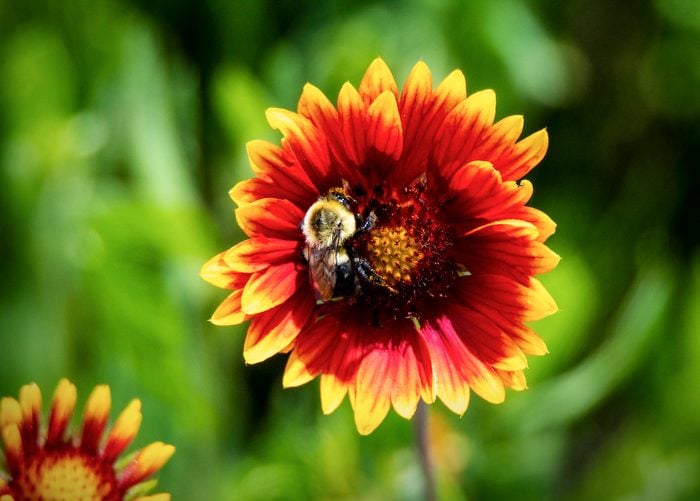
Interestingly, I often come across articles indicating this plant is difficult to start from seed. This always makes me laugh. My own yard is full of Gaillardia and all of it comes from a single packet of seed I purchased years ago from the Florida Wildflowers Growers Cooperative.
From a single $3 investment, I have reaped probably thousands of blooms over the years, on dozens and dozens of plants. They die back after a freeze, and sprout again nearby a few weeks later, Blanket flower gives me reliable blooms here in Florida from late February until winter returns again.
If you live in a colder growing zone, as fall approaches, leave flower stalks and seed heads standing to help the plant become more winter hardy.
Learn how to grow Shasta daisies in your garden.
Blanket Flower Cultivars to Try
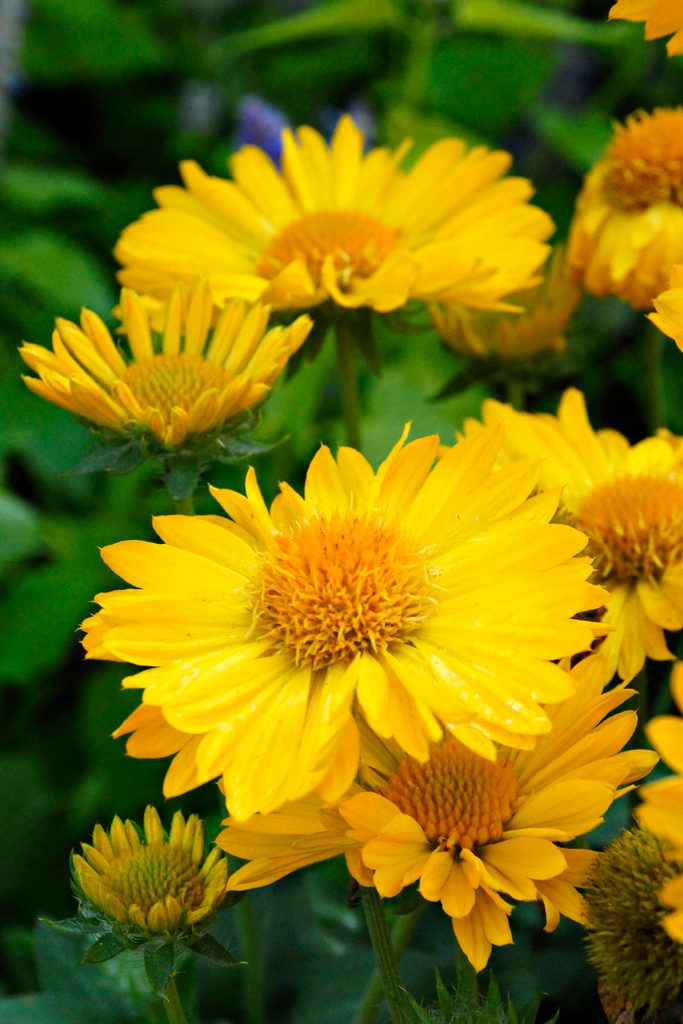
There are also several other Gaillardia species native to the U.S. Many have great value for wildlife or in a cutting garden. You can find single colors, a “pincushion” effect, and more. Mesa Red’s deep red-orange flowers are a dramatic magnet for butterflies. For something a little sunnier, try cheery Mesa Yellow. Arizona Sun also offers classic bicolor.
Next, check out our complete guide to growing coneflowers.
About the Expert
Melinda Myers is the official gardening expert for Birds & Blooms. She is a TV/radio host, author and columnist who has written more than 20 gardening books. Melinda earned a master’s degree in horticulture from the University of Wisconsin-Madison.
Sources
Why Trust Us
For nearly 30 years, Birds & Blooms, a Trusted Media Brand, has been inspiring readers to have a lifelong love of birding, gardening and nature. We are the #1 bird and garden magazine in North America and a trusted online resource for over 15 million outdoor enthusiasts annually. Our library of thousands of informative articles and how-tos has been written by trusted journalists and fact-checked by bird and garden experts for accuracy. In addition to our staff of experienced gardeners and bird-watchers, we hire individuals who have years of education and hands-on experience with birding, bird feeding, gardening, butterflies, bugs and more. Learn more about Birds & Blooms, our field editor program, and our submission guidelines.
